Table of Contents
Hiring electrical contractors in Australia typically costs between $80 and $140 per hour in 2026, with rates varying based on location, job complexity, and the contractor’s experience level.
Whether you’re planning a home renovation, need urgent repairs, or want to upgrade your electrical systems, understanding these costs upfront helps you budget effectively for your electrical needs. This is especially important if you’re considering long-term upgrades such as Residential Solar Systems, where upfront electrical work can influence overall return on investment.
This guide breaks down everything you need to know about electrical contractor costs in 2026.
Understanding Hourly Rates for Electrical Contractors Across Australia
The hourly rate depends on several key factors.
| Category | Hourly Rate Range | Notes |
| Standard Residential & Commercial Work (Australia-wide) | $80 – $140 per hour | Typical rates for general electrical jobs during normal business hours |
| Emergency & After-Hours Services | $150 – $200+ per hour | Urgent call-outs, weekends, nights, and public holidays |
| Sydney | $80 – $130 per hour | Highest standard rates due to demand and cost of living |
| Melbourne | $85 – $150 per hour | Pricing varies based on job complexity |
| Brisbane / Queensland | $80 – $120 per hour | Generally more affordable than southern capitals |
| Perth | $90 – $115 per hour | Mid-range pricing compared to east coast |
| Adelaide | $80 – $120 per hour | Competitive rates for residential and commercial work |
| Regional Australia | $70 – $100 per hour | Lower rates, though travel fees may apply |
For those searching for electrical contractors Eumundi or other Queensland locations, expect rates within the $80 to $120 per hour range, with larger projects in Brisbane potentially reaching the higher end of the spectrum.
What Influences the Cost?
Experience and Qualifications matter significantly. A licensed electrical contractor brings years of training and expertise that justify rates at the higher end of the $80 to $140 per hour spectrum. They hold the necessary credentials to oversee complex projects and ensure compliance with Australian safety standards. Understanding the electrical contractor vs electrician distinction helps clarify why contractors command premium pricing.
Job Complexity directly impacts cost. Simple power point installations cost $150 to $300, while comprehensive home rewiring ranges from $3,500 to $8,000.
Location and Accessibility also affect pricing. Remote properties or challenging access points push rates toward the upper end of the $80 to $140 per hour range.
Timing is crucial. Standard business hours offer rates within $80 to $140 per hour, while emergency services, weekends, or public holidays reach $150 to $200 per hour.
What’s Actually Included in the Rate?
When you pay electrical contractors their $80 to $140 per hour rate, you’re not just paying for time spent on your property. That hourly rate covers numerous business expenses that ensure quality, legal, and professional service.
Labour Costs and Wages
The contractor’s wage makes up roughly 30-40% of the hourly rate, covering salary, superannuation, and taxes. The remaining portion goes toward essential business costs.
Insurance and Liability Coverage
Queensland electrical contractors must carry public liability insurance with a minimum of $5 million coverage, plus $50,000 in consumer protection insurance. Victoria requires $5 million in public liability, while other states have similar requirements. This electrical contractor insurance protects both parties.
Vehicle and Equipment Expenses
Vehicle expenses, fuel, travel time, tool maintenance, replacement, and safety gear account for another significant portion of operational costs.
Administrative and Business Operations
Quoting, scheduling, invoicing, and customer communication require dedicated systems. Many contractors invest in business software and office support for professional services.
Licensing and Professional Development
Contractors maintain their electrical contractors licence through certification renewals, professional development courses, and industry updates that benefit clients through safer, more efficient work.
Marketing and Business Growth
Marketing expenses from website maintenance to advertising help contractors attract clients and maintain visibility in competitive markets.
Common Electrical Services and Costs
Understanding typical project costs helps with budgeting. Here’s a comprehensive breakdown of what you can expect to pay for common electrical work in 2026:
| Electrical Service | Estimated Cost Range | What’s Included |
| Power Point Installation | $140 – $300 per outlet | Labour, materials, safety testing, compliance certification |
| Ceiling Fan Installation | $150 – $350 | Installation, electrical connection, safety testing (fan not included) |
| Light Switch Installation | $120 – $250 | Switch, wiring, installation labour |
| Switchboard Upgrade | $1,400 – $2,800 | New switchboard, installation, safety testing, certification |
| Safety Switch Installation | $250 – $500 per switch | Device, installation, testing, compliance documentation |
| Complete Home Rewiring | $3,500 – $8,000 | Full wire removal and replacement, outlets, switches, testing |
| LED Lighting Installation | $100 – $250 per fixture | Fixture installation, wiring, testing |
| EV Charging Station | $1,200 – $2,500 | Charging unit, dedicated circuit, installation, testing |
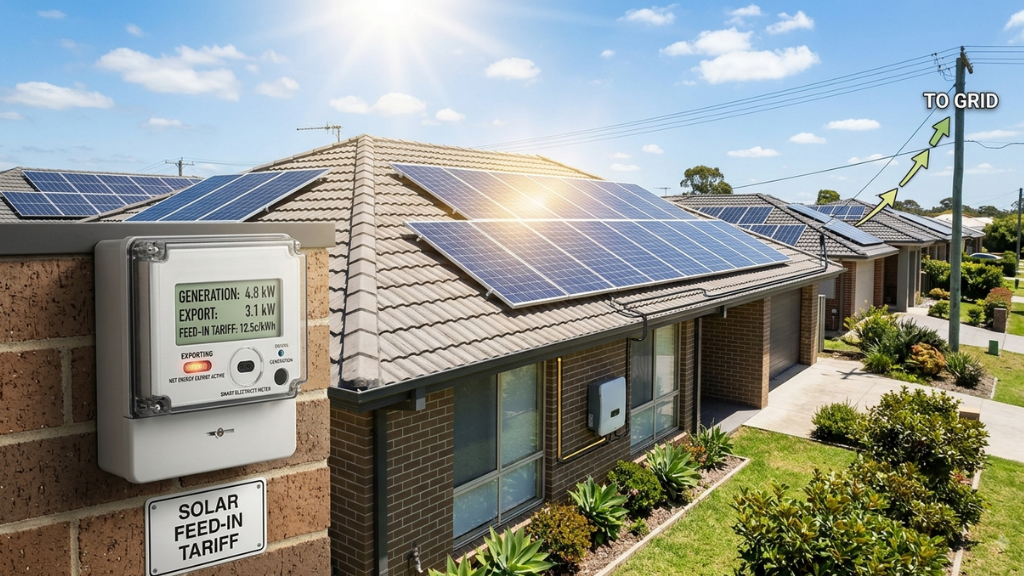
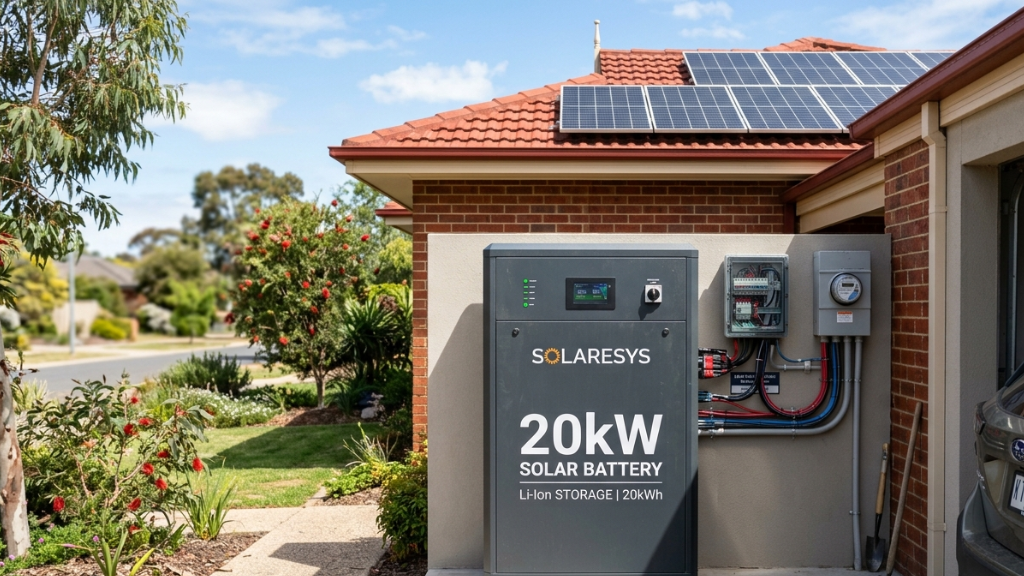
| Solar Panel Installation | $500 – $1,500 per kWh | Electrical connection, switchboard work, grid connection |
Note: All prices are based on standard residential installations. Complex projects or commercial work may vary.
For homeowners comparing the upfront cost of solar-ready electrical work, using an Electricity Bill Calculator alongside these installation costs provides a clearer picture of payback periods and long-term savings.
Getting the Best Value in 2026
Get Multiple Quotes from at least three contractors to compare pricing and services. This provides realistic market rate expectations.
Request Detailed Written Quotes, breaking down all costs. Transparency prevents misunderstandings.
Check Reviews and References. A contractor’s reputation reveals their work quality and reliability. Online reviews provide valuable insights.
Verify Insurance and Licensing before signing contracts. Request current insurance certificates and confirm licence numbers with your state’s regulatory authority.
Understand Warranties. Reputable contractors guarantee both workmanship and materials. Know coverage details and duration.
Plan Ahead. Non-urgent work during standard hours stays within the $80 to $140 per hour range, while emergency call-outs cost significantly more.
Making Your Decision
Choosing the right electrical contractor balances cost, quality, and trust. While the $80 to $140 per hour rate might seem significant, prioritising safety, compliance, and professional expertise protects your investment.
Electrical work directly impacts property safety and functionality. Cutting corners with unlicensed workers or suspiciously low quotes risks your family and property. The peace of mind from hiring properly licensed, insured contractors is worth the investment.
Need Reliable Electrical Contractors?
At SPS Energy, we understand that finding trustworthy, professional electrical contractors matters. Our licensed team brings years of experience, comprehensive insurance coverage, and commitment to quality workmanship on every project.
Whether you need routine maintenance, emergency repairs, or complex installations, we’re here to help. Contact SPS Energy today for detailed quotes, professional service, and electrical work you can trust.