Table of Contents
As electricity prices continue to rise in 2025, many Australians are asking one key question: what is the real Off Grid Solar System Cost for homes and businesses wanting full energy independence
With electricity prices climbing and technology improving, more Australians are choosing to power their homes with off grid solar power systems. But while the freedom of energy independence sounds appealing, understanding the true costs and savings is key before making the switch.
Let’s dive into what you’ll actually pay, what influences the price, and whether going off-grid is a smart investment for your home or property in 2025.
What Is an Off Grid Solar System?
An off grid solar system is a fully independent power setup that doesn’t connect to the public electricity network. Instead, it generates and stores energy using:
- Solar panels to collect sunlight,
- Batteries to store excess power,
- An inverter to convert DC to AC electricity,
- And often a backup generator for cloudy days or emergencies.
Essentially, you become your own mini power station — producing and storing all the energy you use. But before you take the leap, understanding the Off Grid Solar System Cost is crucial.
Average Off Grid Solar System Cost in Australia (2025)
The average Off Grid Solar System Cost in Australia ranges between $25,000 and $60,000 in 2025, depending on household size and energy requirements.
Here’s a quick cost breakdown:
| System Size | Ideal For | Approx. Cost (AUD) | Daily Power Output |
| 5kW | Small homes or cabins | $20,000 – $30,000 | 20–25 kWh/day |
| 10kW | Small family homes | $30,000 – $45,000 | 35–40 kWh/day |
| 15kW | Medium to large homes | $45,000 – $60,000 | 55–65 kWh/day |
| 20kW+ | Farms or large households | $60,000+ | 70–100 kWh/day |
Tip: Many Australians choose a 6.6kW solar system as it strikes a balance between cost and daily energy output for small to medium households.
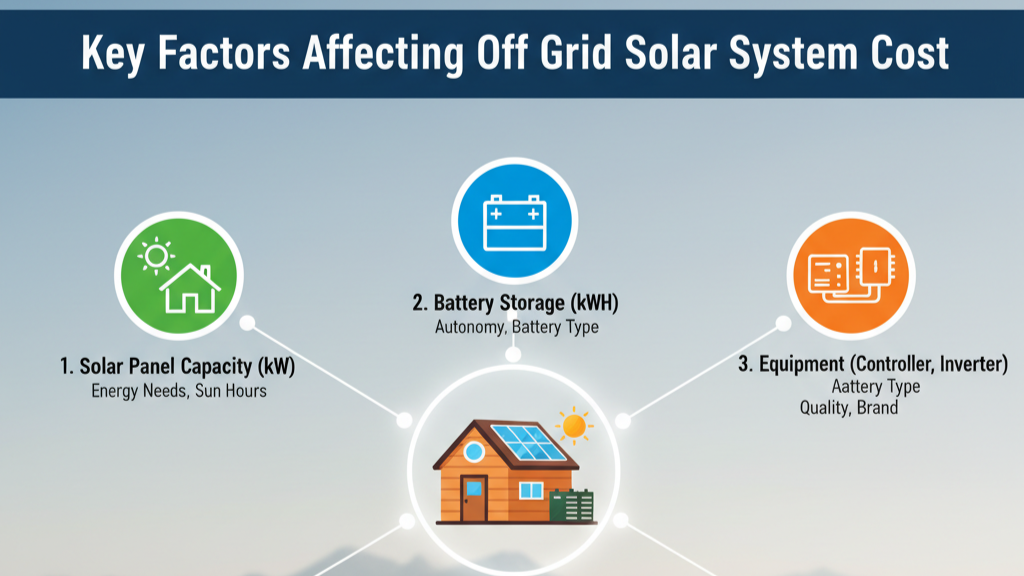
Key Factors Affecting Off Grid Solar System Cost
1. Battery Storage
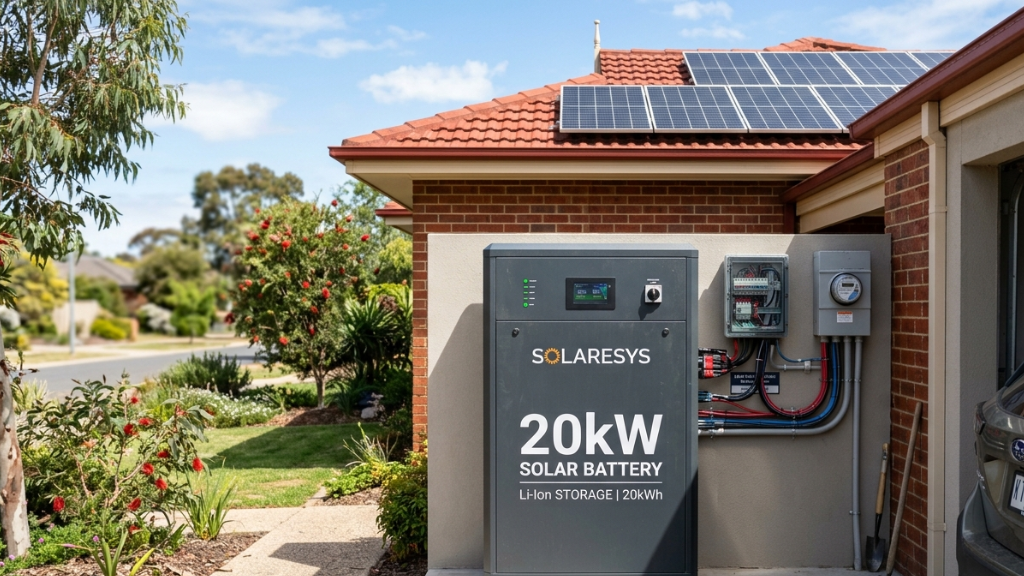
Batteries are the most expensive component, often accounting for 40–50% of the total cost.
- Lithium-ion batteries (e.g., Tesla Powerwall 2, BYD, Sungrow) are efficient, durable, and require minimal maintenance.
- Lead-acid batteries are cheaper upfront but have shorter lifespans and need regular maintenance.
In 2025, lithium-ion prices have dropped by nearly 15% year-on-year, making them a more affordable long-term investment.
2. Energy Consumption
Your daily energy usage directly impacts system size and cost.
- Small off-grid homes typically use 15–25 kWh/day.
- Larger families or farms may consume 40–80 kWh/day.
Oversizing your system ensures reliability during cloudy weather and high-demand periods. If you’re unsure, ask your installer: “What size solar system do I need?” — they’ll calculate based on your usage patterns.
3. Location and Installation Costs
Remote or rural properties often face higher solar installation costs due to travel distance, terrain, and logistics. However, when you look at the overall solar panels cost, the long-term savings remain significant — especially when compared to the expense of connecting to the grid, which can exceed $30,000–$100,000 for rural properties.
4. Solar Panel Type and Quality
The quality of your panels matters.
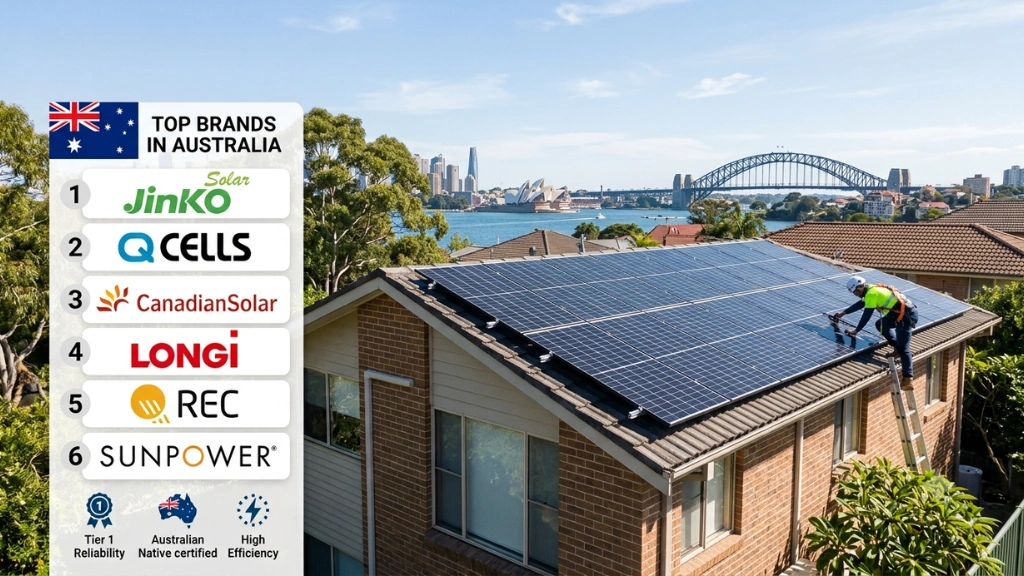
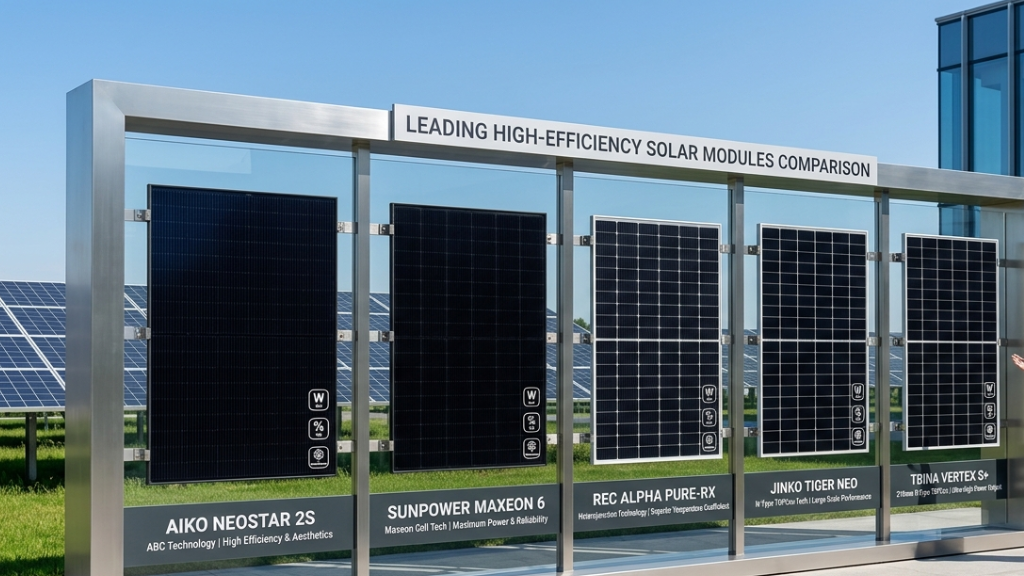
- Tier 1 panels from reputable manufacturers (e.g., Trina, Jinko, QCells) offer better performance and warranties.
- High-efficiency panels can reduce the number of panels needed — saving roof space and installation time.
5. Inverter and System Design
The inverter is the heart of your off grid system. Hybrid inverters allow smart management between solar, battery, and generator use — ensuring you never run out of power.
Are Off-Grid Systems Worth It in 2025?
For many Australians, especially in regional or remote areas, yes — going off grid is worth it.
Here’s why:
- Avoid high grid connection costs (especially in rural properties).
- Zero energy bills once the system is paid off.
- Energy independence from grid failures or rising electricity prices.
- Sustainable living with reduced carbon footprint.
The typical payback period for an off-grid solar system is between 8 and 12 years, depending on usage and battery lifespan.
Government Rebates and Incentives (2025 Update)
While off grid systems aren’t directly subsidised under feed-in tariffs, you may still qualify for solar rebates that significantly reduce upfront costs.
Eligible Incentives:
- Small-scale Technology Certificates (STCs): Reduces panel costs by $2,000–$3,000 on average.
- Battery rebates: Available in states like Victoria, South Australia, and New South Wales for approved systems.
- Regional energy grants: Targeted at rural homeowners and farmers adopting renewable energy.
System Lifespan and Maintenance
- Solar panels: 25–30 years
- Inverters: 10–15 years
- Batteries: 10–15 years (depending on depth of discharge and temperature)
Minimal maintenance is required beyond regular cleaning, battery monitoring, and occasional servicing.
Environmental Benefits
- Reduces your carbon footprint by up to 6 tonnes of CO₂ per year.
- Encourages sustainable power generation in remote communities.
- Promotes energy resilience in areas affected by grid outages or bushfires.
How to Choose the Right Off Grid System
- Calculate your daily energy usage (in kWh).
- Choose high-efficiency panels and a reputable battery brand.
- Work with a CEC-accredited solar installer (Clean Energy Council).
- Plan for future needs — consider EV charging or added appliances.
- Check warranty coverage (25 years for panels, 10 years for inverters/batteries).
Common Mistakes to Avoid
- Undersizing the battery: Leads to blackouts during cloudy weather.
- Using cheap components: Reduces efficiency and lifespan.
- Ignoring seasonal variations: Design should account for winter sunlight hours.
- Skipping maintenance: Regular servicing ensures system reliability.
Final Thoughts
While the Off Grid Solar System Cost may seem high upfront, the return on investment, independence, and sustainability it delivers make it a smart choice in 2025.
While upfront costs are significant, falling battery prices, solar panel incentives, and the STC Rebate Scheme make it more affordable than ever. By working with a trusted solar installer and investing in quality components, you can enjoy reliable, clean energy for decades — free from rising power bills and grid instability.