Table of Contents
The solar panel installation cost in Australia in 2026 averages around $1,000 per kilowatt (kW) installed — which puts the most popular system size, a 6.6 kW, at roughly $5,200–$7,000 after federal STC rebates. But that headline number hides a lot of variation. What you actually pay depends on where you live, which panels and inverter you choose, how complex your roof is, and whether you add battery storage.
This guide cuts through the noise. We break down real 2026 prices by system size, explain what drives the cost of solar panels up or down, show you exactly how the STC rebate reduces your bill, and give you a practical Sunshine Coast and Queensland pricing reference — because solar panel rates in South-East Queensland consistently run 5–15% below the national average, thanks to strong sun hours and a competitive local market.
How Much Do Solar Panels Cost in Australia in 2026?
Based on current market data from the Solar Choice Price Index and industry installers, here is the realistic solar panel price range Australians are paying right now:
2026 Rule of Thumb
Budget approximately
$1,000 per kW installed
for a good-quality, fully installed residential solar system — including panels, inverter, mounting, labour, and the STC rebate deducted at point of sale. For a 6.6 kW solar system, that’s roughly $6,600 before the rebate, or
$4,800–$6,000 after rebates
in most of Queensland.
The national average solar electricity panel price sits at $0.88–$0.95 per watt installed (after STC rebates, including GST), according to the Solar Choice Price Index for June 2026. Solar panel costs have fallen around 80% over the past decade and are now stabilising — so significant further price drops are unlikely in the short term.
Solar Panel Cost by System Size (2026)
The table below shows current market pricing for common residential system sizes. Prices reflect good-quality Tier-1 components (e.g., Jinko or Trina panels with a Sungrow or Fronius inverter), fully installed including GST, with the federal STC rebate already deducted.
| System Size | Price Range (After Rebate) | Estimated Daily Output (QLD) | Annual Savings (Est.) | Best For |
| 3 kW | $3,000–$4,200 | 12–14 kWh/day | $700–$1,000/yr | Small homes, renters with permission, low-consumption households |
| 5 kW | $4,000–$5,500 | 19–22 kWh/day | $1,000–$1,400/yr | Average households (2–3 people), moderate energy use |
| 6.6 kW Most Popular | $4,800–$7,000 | 24–28 kWh/day | $1,200–$2,000/yr | Average to large families, best value per kW for most homes |
| 10 kW | $7,500–$10,500 | 36–42 kWh/day | $2,000–$3,000/yr | Large homes, home offices, EV owners, pool owners |
| 13.2 kW | $10,000–$14,000 | 48–55 kWh/day | $2,800–$4,000/yr | All-electric homes, dual EVs, large energy users |
Prices are estimates for South-East Queensland including Sunshine Coast. Prices in other states may vary by ±10–20%. All prices include GST and assume federal STC rebate deducted at point of sale.
Cost Per kW: How to Use the $/W Rule
The simplest way to compare solar panel rates across quotes is the cost per watt ($/W). In 2026, a well-priced, quality installation in Queensland should sit between $0.73–$1.06 per watt after the STC rebate.
Here’s how to apply it: if a quote for a 6,600-watt (6.6 kW) system comes in at $7,260 after rebates, divide $7,260 ÷ 6,600 = $1.10/W. That’s towards the premium end — acceptable if you’re getting a Fronius inverter and REC or SunPower panels. If the quote is for $6,600, that’s $1.00/W — solidly mid-market and reasonable for quality mid-tier components.
| $/W Range (After Rebate) | What It Typically Means | Verdict |
| Below $0.60/W | Budget panels, cheap inverter, possibly non-accredited installer | ⚠ Risky — investigate carefully |
| $0.70–$0.85/W | Entry-level Tier-1 panels (Seraphim, Risen), budget inverter (Growatt) | ✓ Acceptable for tight budgets |
| $0.88–$1.05/W | Good Tier-1 panels (Jinko, Trina, Q Cells) + Sungrow/Huawei inverter | Sweet spot — best value |
| $1.05–$1.30/W | Premium panels (REC Alpha, SunPower) + Fronius/Enphase inverter | ✓ Worth it if longevity is priority |
| Above $1.30/W | High-end system or inflated margin | ⚠ Get at least two more quotes |
What Drives Solar Power Panels Cost Up or Down?
The solar panel rate you receive isn’t random — it’s the sum of several well-defined variables. Understanding them helps you make smarter decisions when comparing quotes.
1. System Size (kW)
Larger systems cost more in total but less per watt. A 3 kW system might cost $1.20/W while a 10 kW system could be $0.90/W — even from the same installer. This is why over-sizing your system slightly (e.g., choosing 6.6 kW over 5 kW) often makes financial sense.
2. Panel Brand and Efficiency
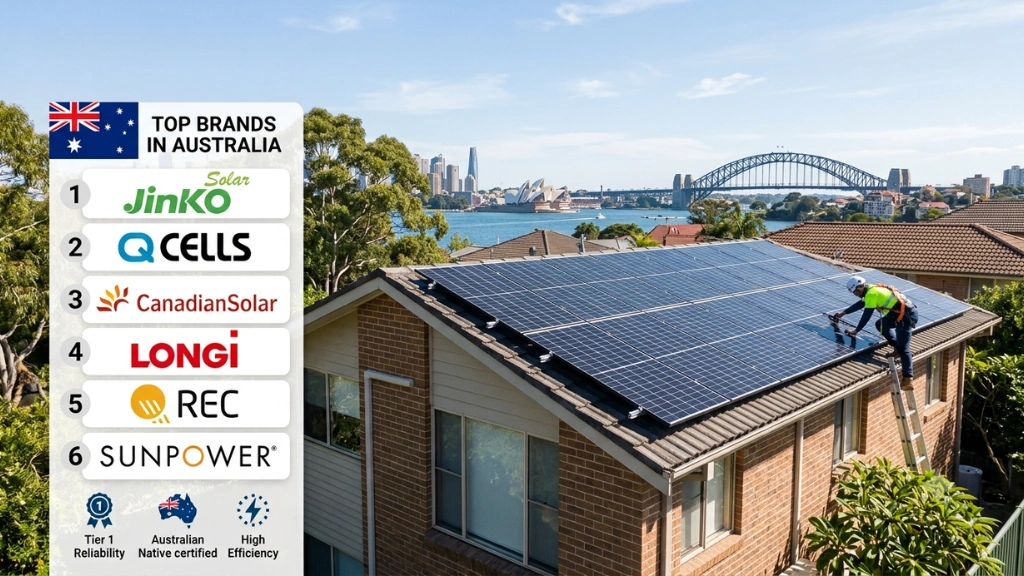
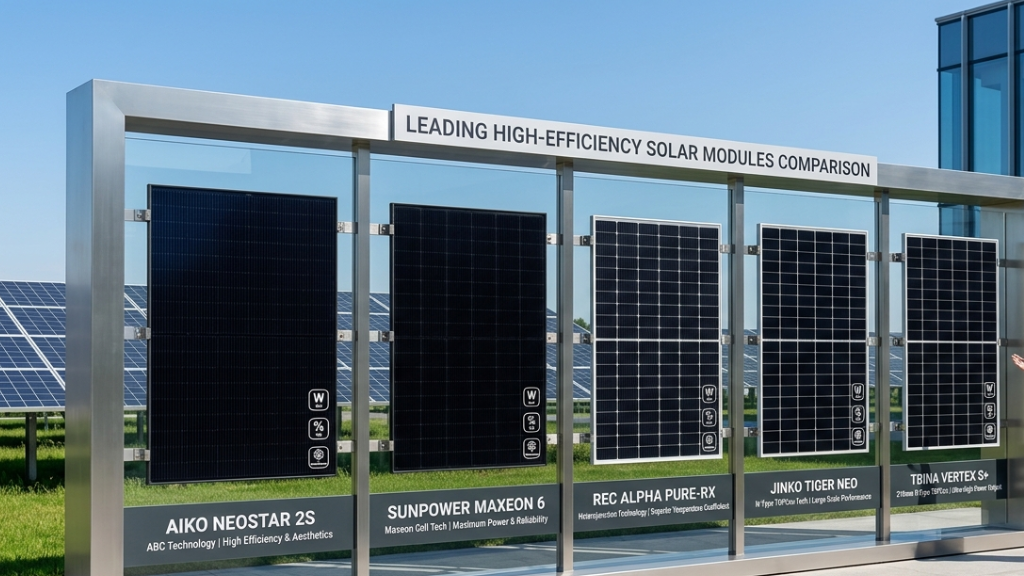
Solar panel pricing varies significantly between tiers. Budget panels (Seraphim, Risen, Canadian Solar entry-level) cost $80–$130 per panel. Mid-tier Tier-1 brands like Jinko, Trina, and LONGi sit at $130–$200 per panel. Premium options — REC Alpha, SunPower, Tindo (Australian-made) — can exceed $250–$300+ per panel. For a 6.6 kW system using ~20 panels, that’s a potential $3,000–$4,000 difference in panel cost alone.
3. Inverter Type and Brand
Your inverter converts DC electricity from your solar panels into usable AC power. It’s the most failure-prone component and the one most worth spending on. Common choices in 2026:
- String inverters (Sungrow, Fronius, SMA, Huawei): Most cost-effective. $800–$2,200 for residential sizes. Sungrow dominates the value end; Fronius is a premium choice with a strong warranty track record.
- Microinverters (Enphase): One per panel — eliminates shading issues, excellent monitoring, but adds $1,500–$3,000 to system cost.
- Hybrid inverters (Sungrow SH, Growatt, Goodwe): Battery-ready. Add $400–$800 over a standard string inverter but future-proof your system for storage.
4. Roof Type, Pitch and Accessibility
A standard roof adds no extra cost. Difficult roofs add to the solar installation cost:
- Tile roofs (terracotta or concrete): +$200–$600 for tile removal and replacement
- Steep pitch (over 35°): +$300–$800 in additional labour and safety equipment
- Multi-storey homes: +$300–$700 for elevated access
- East/west split systems: May require additional racking
5. Electrical Upgrades
Older homes may need switchboard upgrades to accommodate a solar system safely. This adds $800–$2,500 to the project cost — but it’s non-negotiable for safety and compliance.
6. Location
Labour costs vary by region. Solar panel costs in Sydney and Melbourne typically run 10–20% higher than in Brisbane and South-East Queensland, where the market is highly competitive and sun hours are excellent. See the Queensland section below for specific Sunshine Coast pricing.
What’s Included in the Solar Panel Installation Price?
A legitimate, complete solar panel installation quote from a CEC-accredited company will include all of the following. If any item is missing, ask why.
| Component | What It Is | Typical Cost Contribution |
| Solar panels | The photovoltaic (PV) modules that generate electricity | 30–40% of total cost |
| Inverter | Converts DC solar power to usable AC electricity | 15–25% of total cost |
| Mounting & racking | Frames that secure panels to your roof | 8–12% of total cost |
| Cabling & DC isolators | Wiring connecting panels to inverter and switchboard | 5–10% of total cost |
| Installation labour | CEC-accredited electricians, typically 1–2 days on-site | 15–25% of total cost |
| Grid connection & metering | Application to your DNSP (e.g., Energex in QLD) to connect and enable feed-in | Usually included |
| Monitoring system | App-based monitoring of solar production and consumption | Usually included |
| STC rebate deduction | The federal government rebate applied at point of sale — reduces your invoice | −$1,700–$3,500 depending on size & location |
Solar Panel Prices in Queensland & the Sunshine Coast
Queensland — and the Sunshine Coast in particular — is one of the best-value solar markets in Australia. With 7.8 peak sun hours per day on the Sunshine Coast and a highly competitive installer market, solar panel prices here are consistently lower than in Sydney or Melbourne.
Sunshine Coast & SE Queensland Pricing (June 2026)
| System Size | Budget (Entry-Level) | Mid-Range Recommended | Premium |
| 3 kW | $2,800–$3,400 | $3,200–$4,000 | $4,000–$5,000 |
| 5 kW | $3,800–$4,500 | $4,500–$5,500 | $5,500–$7,000 |
| 6.6 kW | $4,500–$5,200 | $5,200–$6,500 | $6,500–$8,200 |
| 10 kW | $7,000–$8,200 | $8,200–$9,800 | $9,800–$12,000 |
| 13.2 kW | $9,500–$11,000 | $11,000–$13,500 | $13,500–$17,000 |
Why QLD Solar Costs Less Than the National Average
Queensland is in STC Zone 3 (Brisbane, Sunshine Coast) with a rating factor of 1.382. This means Queensland homes generate more STCs than southern states for the same system size — delivering a larger upfront rebate. Combined with a competitive installer market and lower labour costs than Sydney/Melbourne, the effective solar panel rate in SE QLD is often10–20% below the national average
STC Rebate 2026: How Much Can You Save?
The Small-scale Technology Certificates (STC) scheme is the federal government’s primary solar incentive, available to all Australians installing systems under 100 kW. It’s not technically a cash rebate — your installer claims the STCs and passes the saving directly to you as a discount on your invoice.
How Many STCs Does Your System Generate?
The number of STCs depends on three things: your system’s capacity (kW), your location (STC zone), and how many years remain until the scheme ends in 2030. Each STC trades at approximately $37–$40 on the open market in 2026.
| System Size | STCs (QLD Zone 3, 2026) | Rebate Value (at $38/STC) |
| 3 kW | ~21 | ~$800 |
| 5 kW | ~35 | ~$1,330 |
| 6.6 kW | ~45 | ~$1,710 |
| 10 kW | ~68 | ~$2,580 |
| 13.2 kW | ~90 | ~$3,420 |
Feed-In Tariffs: Getting Paid for Excess Solar
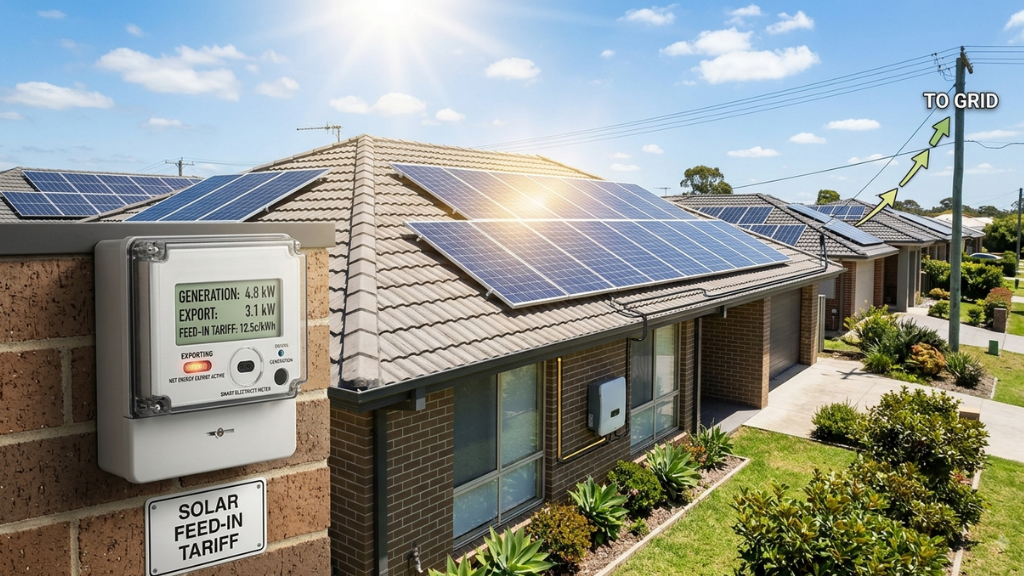
On top of the STC rebate, Queensland homeowners earn a feed-in tariff (FiT) for any surplus electricity exported back to the grid. Rates in 2026 vary by retailer:
- Origin Energy: 5–8 c/kWh depending on plan
- AGL: 6–10 c/kWh on eligible plans
- Ergon / Energex (regulated rate): Approximately 10–11 c/kWh for eligible regional customers
- Time-of-export plans: Some retailers pay 20–30 c/kWh for peak-time exports (typically 3–9 pm)
Cost of Solar Panels with Battery Storage (2026)
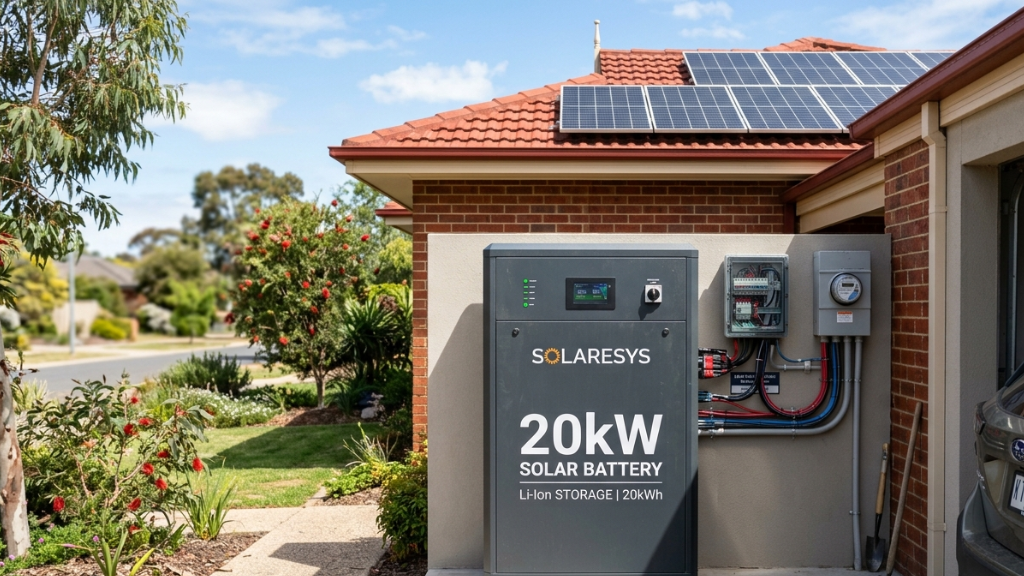
Adding a battery to your solar system roughly doubles the upfront solar panel price — but it also transforms what your system can do. Instead of exporting cheap surplus power at 5–10 c/kWh, you store it and use it at night when grid power costs 30–45 c/kWh.
| System Configuration | Approx. Cost (After Rebates) | Payback Period |
| 6.6 kW solar only | $5,200–$7,000 | 3–5 years |
| 6.6 kW + 10 kWh battery | $11,000–$15,000 | 6–9 years |
| 10 kW + 13.5 kWh battery | $15,000–$20,000 | 7–10 years |
| 6.6 kW + Tesla Powerwall 3 (13.5 kWh) | $17,000–$21,000 | 8–12 years |
The federal Cheaper Home Batteries Program provides an additional rebate of approximately $372 per usable kWh for eligible battery installations. On a 13.5 kWh Powerwall 3, that’s roughly $3,400–$5,000 off. The rebate applies on top of the STC solar rebate and is deducted at point of sale by your installer.
For a full breakdown of battery brands, prices, and whether storage makes sense for your household, see our dedicated solar battery price guide.
Payback Period & Long-Term Solar Savings
The payback period on your solar panel installation cost depends on three variables: how much you spent, how much electricity you use during the day, and what you pay for grid power.
Typical Payback Scenarios in SE Queensland (2026)
| Scenario | System Cost (After Rebate) | Annual Savings | Payback |
| Average home, 6.6 kW, 40% self-consumption | $6,000 | $1,400–$1,800 | 3.5–4.5 years |
| High-use home, 10 kW, 50% self-consumption | $9,000 | $2,200–$2,800 | 3–4.5 years |
| Home office / EV owner, 10 kW, 65% self-consumption | $9,500 | $2,800–$3,500 | 3–3.5 years |
| 6.6 kW + battery, 80–90% self-consumption | $13,000 | $2,000–$2,800 | 5–7 years |
After payback, your solar system continues producing free electricity for 20–25 years. At current electricity prices (averaging 32–45 c/kWh in Queensland), a 6.6 kW system can deliver over $25,000–$40,000 in lifetime savings.
Solar Panels Cost Australia-Wide: What You Pay by State
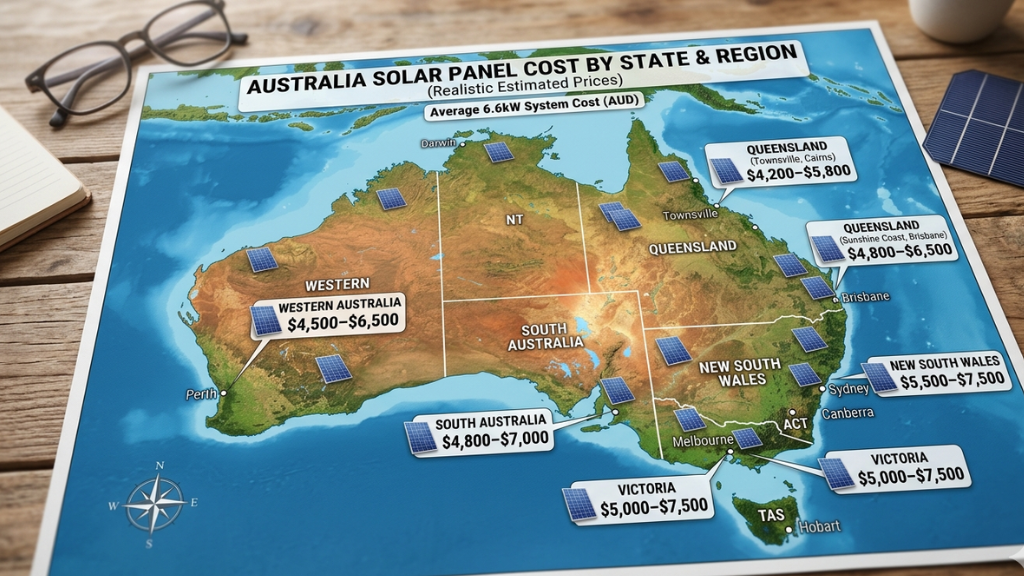
The residential solar installation cost varies considerably depending on where you live. Solar power installation prices are shaped by local labour rates, STC zone, competition among installers, and any state-specific rebates on top of the federal scheme.
| State / Region | 6.6 kW System Cost (After Rebate) | Key Factor |
| Queensland (Sunshine Coast, Brisbane) | $4,800–$6,500 | STC Zone 3, high sun hours, competitive market |
| Queensland (Townsville, Cairns) | $4,200–$5,800 | STC Zone 2 — higher rebates than SE QLD |
| New South Wales (Sydney) | $5,500–$7,500 | Higher labour costs, no additional state rebate in 2026 |
| Victoria (Melbourne) | $5,000–$7,500 | Solar Homes rebate up to $1,400 for eligible households |
| South Australia (Adelaide) | $4,800–$7,000 | Strict export limits; battery pairing increasingly common |
| Western Australia (Perth) | $4,500–$6,500 | STC Zone 2 (north WA Zone 1), Synergy export limits apply |
The lowest solar panels cost in Australia tends to be in North Queensland and regional WA, where STC values are highest and sun hours are greatest. Home solar system cost in Victoria runs higher due to lower STC values and more complex grid requirements.
What Does Residential Solar Power Cost Annually to Run?
Once installed, a residential solar power system has minimal ongoing costs. Solar panel fitting cost is a one-time outlay. Annual maintenance — cleaning panels, monitoring inverter performance — costs $150–$400 per year if you hire a professional, or near zero if you handle basic cleaning yourself. Inverter replacement (typically after 10–15 years) costs $1,000–$2,500 depending on brand. Budget for this in your long-term financial calculation.
Solar Energy Price vs Grid: The Long-Term Equation
Understanding the solar energy price from a lifetime perspective changes how you should evaluate the upfront solar setup cost. Current grid electricity in Queensland costs 32–45 cents per kWh. Solar panels in Queensland generate electricity at roughly 4–6 cents per kWh over their 25-year lifetime when you account for total system cost, degradation, and maintenance. That’s an 80–90% saving on the cost of solar plate energy versus buying it from the grid.
PV Panels Cost: Budget vs Mid-Range vs Premium
When comparing photovoltaic panels price, efficiency matters more than raw wattage. A 400 W panel at 22% efficiency generates more electricity on a partially shaded roof than a 400 W panel at 19% efficiency. The higher pv panels cost of premium modules often pays back through better real-world performance, not just on paper specifications. Budget photovoltaic panels price generally ranges from $80–$130 per unit; the sweet spot for most Australian homes is mid-tier panels at $130–$200 each.
Solar Panel Fitting Cost: What Labour Adds to Your Quote
The solar panel fitting cost — labour only, excluding panels and inverter — typically runs $800–$2,000 for a standard residential installation in Queensland. This covers a two-person CEC-accredited installation crew for one to two days, including racking, cabling, inverter mounting, and switchboard connection. Difficult roofs or remote properties in the Hinterland add to this figure.
Solar Plate Price: Understanding the Panel Component Cost
“Solar plate” is a common term for a solar panel or PV module. The solar plate rate — what you pay per panel before installation — has stabilised considerably since the rapid falls of 2018–2023. In 2026, the average cost of solar plate for a Tier-1 residential panel runs $100–$200 per plate. Higher-efficiency “solar plates” from premium brands like REC, AIKO, or Tindo carry a higher solar plate price ($250–$320 each) but offer better long-term energy output and a stronger product warranty.
Cheap vs Quality Solar Panels: What the PV Panel Price Difference Buys You
When comparing solar panel rates from different installers, the cheapest quote rarely represents the best value. Here’s what you’re actually paying for — or missing out on — at different price points.
| Feature | Budget System (~$4,000) | Mid-Range System (~$6,000) | Premium System (~$8,000+) |
| Panel brand | Unknown or non-Tier-1 | Jinko, Trina, LONGi, Q Cells | REC, SunPower, Tindo, AIKO |
| Inverter brand | Growatt, cheap Chinese brands | Sungrow, Huawei, GoodWe | Fronius, Enphase, SMA |
| Panel efficiency | 18–20% | 20–22% | 22–24% |
| Panel warranty | 10–15 years product | 12–15 years product | 25 years product |
| Performance warranty | 80% at 25 years | 80–84% at 25 years | 86–92% at 25 years |
| Installer accreditation | Check carefully | CEC-accredited | CEC-accredited + CEC Approved Retailer |
| After-sales support | May be limited | Good | Excellent |
How to Get an Accurate Solar Panel Installation Quote
Getting the right solar panel installation price starts with getting the right quotes. Here’s how to approach it:
- Get at least three quotes. Solar panel rates can vary by 30–50% for the same system size. Never accept the first quote.
- Compare on $/W — not total price. Use the cost-per-watt calculation described above to compare quotes fairly across different system sizes.
- Ask for itemised quotes. A credible installer will specify the panel model, inverter model, number of panels, inverter size, warranty terms, and the STC rebate amount separately.
- Check CEC accreditation. Your installer must be CEC-accredited. Prefer installers who are also CEC Approved Retailers — they are bound by a code of conduct that provides additional consumer protections.
- Ask about the grid connection process. A reputable installer handles the Energex (or local DNSP) grid connection application for you. If they pass this to you, ask why.
- Check for hidden costs. Switchboard upgrades, meter replacements, and scaffolding for steep roofs should be itemised upfront — not added as surprises after installation begins.
Ready for a No-Obligation Solar Quote from a Local Sunshine Coast Installer?
SPS Energy has been installing solar across the Sunshine Coast, Noosa, and Hinterland for over 30 years. Call us on (07) 5442 7608 or request a quote online.