Table of Contents
If you already have solar panels — or you’re considering installing them — there’s a good chance you’ve asked the next logical question:
Is a Home Battery worth it in Australia?
For many households, the answer is increasingly yes.
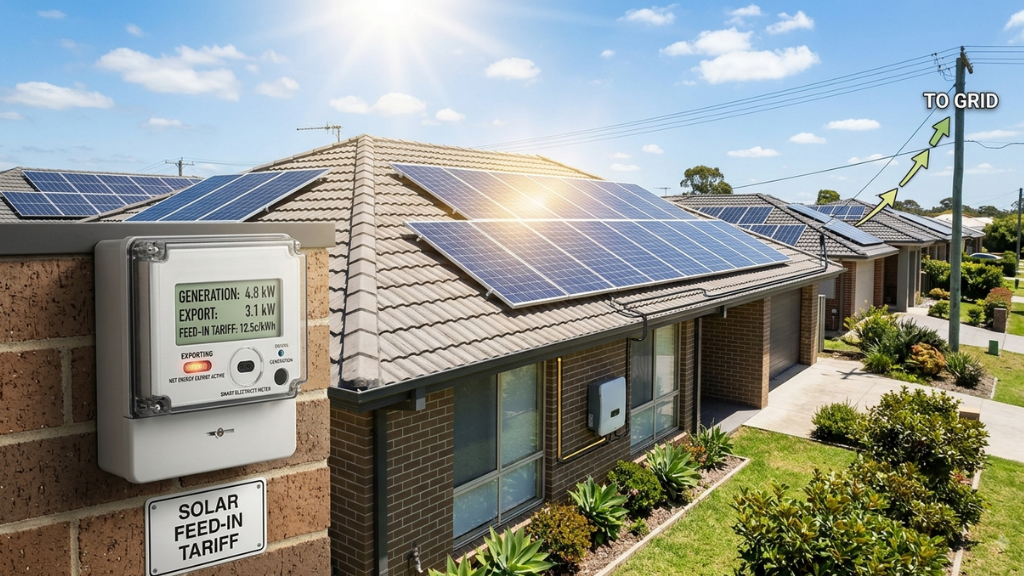
Electricity prices across Australia continue to rise, while solar feed-in tariffs have dropped sharply. That means exporting excess solar energy back to the grid is now far less profitable than it was a few years ago.
A Home Battery changes that equation by allowing homeowners to store unused solar energy during the day and use it at night when electricity prices are highest.
This article is based on current Australian energy pricing trends, solar market data, and battery installation costs in 2026.
Is a Home Battery Worth It?
For many Australian households with solar panels, a Home Battery can be worth it if:
- You use a lot of electricity at night
- Your feed-in tariff is low
- Your electricity rates are high
- You want blackout protection
- You plan to stay in your home long term
Most households can reduce grid electricity usage by 60%–90% with a properly sized solar and battery system.
However, battery payback periods still typically range between:
7–15 Years
The financial return depends heavily on:
- Battery size
- Installation cost
- Solar generation
- Electricity tariff structure
- State rebates
- Household energy usage patterns
What Is a Home Battery?
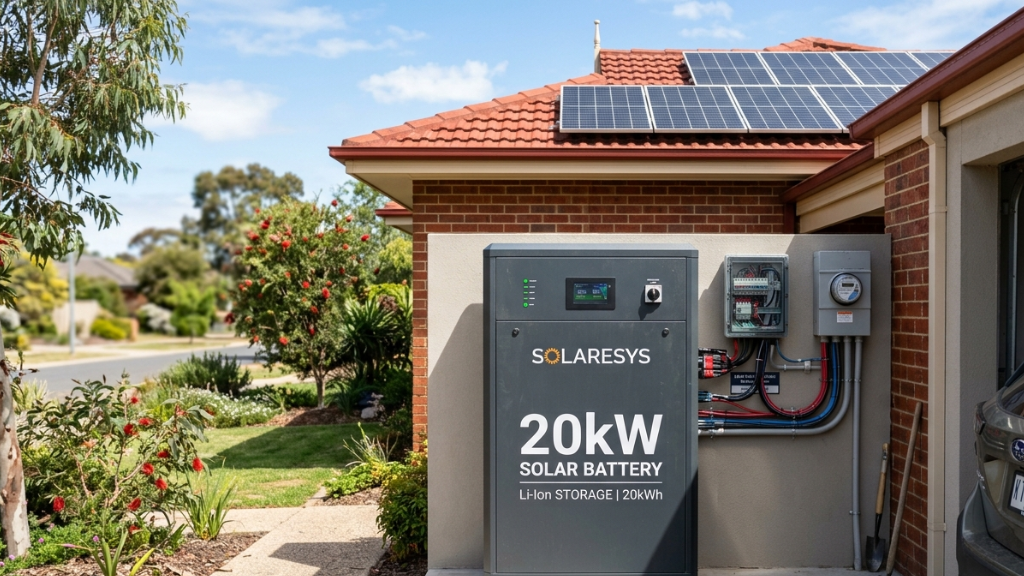
A Home Battery is a type of Solar Battery Storage system that stores excess solar energy generated during the day for use at night or during blackouts.
Without a battery:
- Excess solar is exported cheaply
- You buy electricity back at expensive peak rates
With a Home Battery:
- You store your own energy
- You reduce grid reliance
- You increase solar self-consumption
How Does a Home Battery Work?
Here’s the simplified process:
During the Day
- Your solar panels generate electricity.
- Your home uses what it needs immediately.
- Extra solar energy charges the battery.
At Night
- The battery discharges stored energy to power your home.
- Only after the battery empties does your property draw electricity from the grid.
During Blackouts
Some Home Battery systems provide backup power.
This can keep critical appliances running, including:
- Refrigerators
- Internet routers
- Lighting
- Medical equipment
- Security systems
Not all batteries include blackout backup by default.
Why Home Batteries Are Becoming Popular in Australia
1. Electricity Prices Keep Rising
Australian electricity prices remain among the highest they’ve been in years.
Many households now pay:
| Electricity Type | Typical Rate |
| Grid electricity | 30–45c/kWh |
| Solar feed-in tariff | 3–8c/kWh |
This large gap makes battery storage increasingly attractive.
Instead of exporting solar for 5 cents and buying power back for 40 cents, homeowners can store and use their own electricity.
2. Feed-In Tariffs Have Dropped
A decade ago, premium solar feed-in tariffs made exporting power profitable.
Today, feed-in tariffs in many states are extremely low.
That means:
- Solar-only systems deliver lower returns
- Batteries improve solar value significantly
3. Energy Security Matters More
Power outages caused by storms, bushfires, and grid instability have increased interest in energy independence.
A Home Battery can provide:
- Backup power
- Reduced reliance on retailers
- More control over household energy usage
How Much Does a Home Battery Cost in Australia?
Average Home Battery Prices (Installed)
| Battery Size | Estimated Cost |
| 5–7 kWh | $6,000–$9,000 |
| 10–13 kWh | $10,000–$16,000 |
| 15–20 kWh | $16,000–$22,000+ |
The most common battery size for Australian homes is approximately:
10–13 kWh
This generally suits average evening energy consumption.
What Affects Home Battery Costs?
In some cases, homeowners may also need to upgrade to one of the Best Solar Inverters to ensure battery compatibility and maximise system efficiency.
Battery Brand
Premium brands cost more but may offer:
- Better warranties
- Higher efficiency
- Improved software
- Better support
Backup Power Capability
Blackout functionality often increases installation costs.
Inverter Requirements
Some homes require:
- Hybrid inverter upgrades
- Switchboard modifications
- Electrical rewiring
Installation Complexity
Two-storey homes and older electrical systems can increase labour costs.
How Much Can You Save With a Home Battery?
Average annual savings typically range between:
$800–$2,000 Per Year
Savings depend on:
- Solar system size
- Battery size
- Household consumption
- Electricity retailer rates
- Time-of-use pricing
Homes with high evening energy usage usually see the best results.
Example Home Battery Savings Scenario
A typical Australian household with a 6.6kW Solar System and a 10–13kWh battery can significantly reduce grid electricity usage and improve long-term energy savings.
Example Household
- 6.6kW solar system
- 13kWh battery
- Family of four
- High evening electricity usage
Potential Outcomes
| Metric | Estimated Result |
| Annual bill reduction | $1,500–$2,000 |
| Grid reliance reduction | 70%–90% |
| Battery payback period | 8–12 years |
Actual savings vary by location and usage patterns.
Home Battery Payback Period Explained
The average Home Battery payback period in Australia currently sits around:
7–15 Years
Several factors can shorten payback:
1. Higher Electricity Prices
The more expensive grid electricity becomes, the more valuable stored solar energy becomes.
2. Government Rebates
Battery rebates can significantly reduce upfront costs.
3. Smart Tariff Usage
Some batteries optimise charging around peak pricing periods.
4. Virtual Power Plant (VPP) Participation
Some energy retailers pay homeowners to share battery energy with the grid during peak demand periods.
This can improve ROI.
When a Home Battery Is Most Worthwhile
A Home Battery Makes Sense If You:
- Already Have Solar Panels: Battery storage works best with existing solar generation.
- Use Most Energy at Night: Evening electricity demand creates stronger savings.
- Have High Power Bills: The larger your bills, the larger your potential savings.
- Want Backup Power: Some buyers value resilience and energy security more than strict ROI.
- Plan to Stay Long-Term: Batteries deliver better value over longer ownership periods.
Pros and Cons of a Home Battery
| Advantages | Disadvantages |
|---|---|
| Lower Electricity Bills: Reduce expensive grid electricity purchases. | High Upfront Costs: Battery systems remain expensive. |
| Greater Energy Independence: Use more of your own solar energy. | Long Payback Periods: Financial returns take time. |
| Blackout Protection: Backup power during outages. | Battery Degradation: Storage capacity slowly decreases over time. |
| Environmental Benefits: Lower reliance on fossil-fuel electricity generation. | Not Ideal for Every Household: Low-energy users may see weaker ROI. |
Best Home Battery Brands in Australia
Popular battery systems in 2026 include:
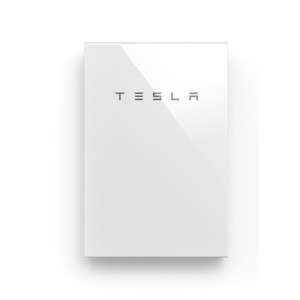
Tesla Powerwall
Known for:
- Premium performance
- Strong software integration
- Backup capabilities
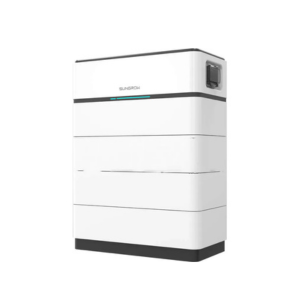
Sungrow
Popular due to:
- Competitive pricing
- Strong Australian market presence
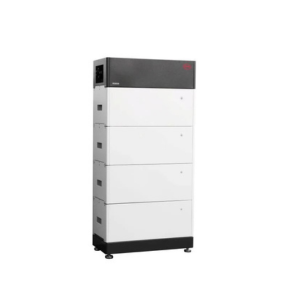
BYD Battery-Box
Widely respected for:
- Scalability
- Reliability
- Compatibility with hybrid systems
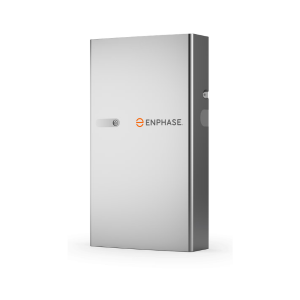
Enphase IQ Battery
Well-suited for Enphase solar ecosystems.
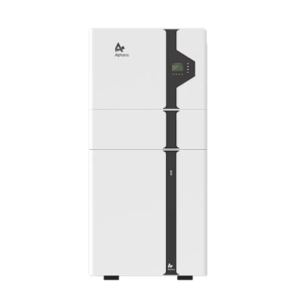
Alpha ESS
Common in residential battery installations across Australia.
What Size Home Battery Do You Need?
Small Homes
5–7 kWh
Suitable for:
- Couples
- Low-energy households
Average Family Homes
10–13 kWh
Best for:
- Typical evening usage
- Air conditioning
- Appliance loads
Large Homes or EV Owners
15+ kWh
Suitable for:
- Electric vehicle charging
- Large families
- Heavy energy consumption
Households with larger energy demands or electric vehicle charging may benefit from a 10kW Solar Battery setup, particularly when paired with high-capacity solar panel systems.
Government Rebates for Home Batteries in Australia
Battery incentives vary by state and program availability.
Potential incentives may include:
- Battery rebates
- Interest-free loans
- Virtual Power Plant incentives
- Solar battery grants
Programs change frequently, so homeowners should check current state government energy websites.
Is a Home Battery Better Than Staying on the Grid?
For most Australians, the grid will still remain part of the energy mix.
However, a Home Battery can dramatically reduce dependence on energy retailers and improve protection against future electricity price increases.
The biggest advantage is usually:
Energy flexibility and bill control
rather than complete off-grid independence.
Are Home Batteries Safe?
Modern lithium iron phosphate (LFP) and lithium-ion batteries are generally very safe when:
- Properly installed
- CEC-compliant
- Installed by accredited professionals
Australia maintains strict electrical and battery installation standards.
The Future of Home Batteries in Australia
Battery adoption is expected to accelerate over the next decade because of:
- Rising electricity prices
- Lower battery manufacturing costs
- EV integration
- Smart home energy systems
- Increased renewable energy adoption
Industry analysts expect battery prices to continue falling while performance improves.
Final Verdict: Should You Buy a Home Battery?
A Home Battery can absolutely be worth it in Australia — but only when matched correctly to your home’s energy usage and solar setup.
For households with:
- Solar panels
- High evening energy usage
- Expensive electricity tariffs
- Long-term home ownership plans
…battery storage is becoming increasingly attractive financially and practically.
While upfront costs remain significant, falling battery prices and rising electricity costs are steadily improving the economics of home energy storage.
For many Australians, the question is no longer:
“Should I get solar?”
It’s now:
“Should I add battery storage too?”