Table of Contents
Are rising electricity bills eating into your household budget? You’re not alone. Thousands of Australian families are feeling the pinch of escalating energy costs. The good news is that the Australian Government has launched a game-changing initiative to make solar battery storage more affordable than ever before.
The Federal government solar battery rebate, officially known as the Cheaper Home Batteries Program, began on 1 July 2025 and offers homeowners a substantial discount of around 30% on the upfront cost of installing eligible battery systems. This $2.3 billion initiative is set to revolutionise how Australians store and use renewable energy.
What is the Federal Battery Rebate?
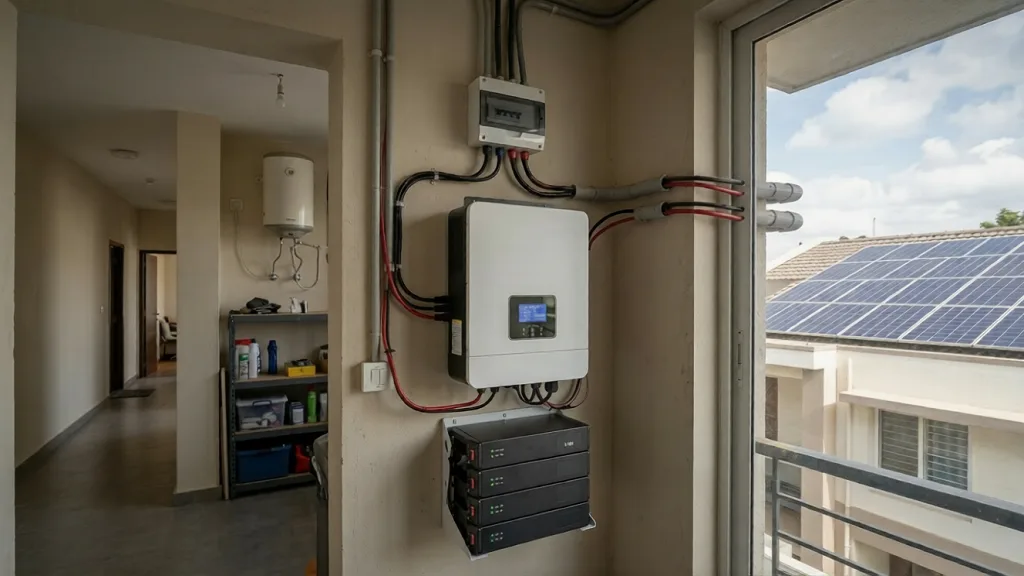
The Federal battery rebate is a nationwide program delivered through the Small-scale Renewable Energy Scheme (SRES). It works by providing Small-scale Technology Certificates (STCs) based on your battery’s usable storage capacity. In 2025, eligible batteries generate 9.3 STCs per usable kilowatt-hour (kWh), with each certificate valued at approximately $37 after administration costs.
This translates to real savings of around $344 per kWh of battery storage. For a typical 10 kWh battery system, you could save approximately $3,440, reducing your out-of-pocket costs significantly.
To estimate your potential rebate in more detail, many homeowners now use an STC calculator to quickly work out how many certificates their system could generate and what that means in dollar terms.
The program aims to help one million Australian households adopt battery storage by 2030, strengthening the electricity grid while reducing reliance on fossil fuels.
Who is Eligible for the Rebate?
The Federal government solar battery rebate is designed to be inclusive and accessible. Here’s who can benefit:
- Homeowners: Both owner-occupiers and landlords can apply
- Small businesses: Eligible for the same rebate benefits
- Community facilities: Including sports clubs, libraries, and community centres
There’s no means test or income threshold, making this rebate available to all eligible property owners. If you own multiple properties, you can claim a separate rebate at each location, provided each has its own electricity meter (NMI).
Battery System Requirements
To qualify for the rebate, your battery installation must meet specific criteria:
- Size Requirements: Your battery must have a nominal capacity between 5 kWh and 100 kWh. The rebate applies to the first 50 kWh of usable capacity only.
- Condition: The battery must be new, not second-hand or refurbished.
- Solar Connection: Your battery must be paired with a new or existing rooftop solar system at the same property.
- VPP-Capable: For on-grid systems, the battery and inverter must be Virtual Power Plant (VPP) capable at installation. However, you’re not required actually to join a VPP.
- Approved Products: Both the battery and solar inverter must be listed on the Clean Energy Council (CEC) approved product list.
- Accredited Installation: Installation must be supervised on-site by an installer accredited by Solar Accreditation Australia (SAA).
For off-grid properties located more than 1 km from the main grid, or where grid connection would cost over $30,000, the VPP-capable requirement is waived.
How Much Can You Save?
The savings potential with the Federal battery rebate is substantial. Here’s what you can expect based on popular battery sizes:
- 10 kWh battery: Approximately $3,440 rebate
- 13.5 kWh battery: Approximately $4,644 rebate
- 16 kWh battery: Approximately $5,504 rebate
Beyond the upfront rebate, homeowners typically save between $700 and $1,500 annually on electricity bills, depending on usage patterns and local electricity rates. Some households report savings of up to $2,300 per year when combining a battery with an efficient solar system.
Solar Battery Rebate QLD: What You Need to Know
If you’re a Queensland resident, you might be wondering about the solar battery rebate QLD options. While the Queensland Battery Booster Program closed in May 2024, all Queensland homeowners can now access the more generous Federal battery rebate starting from July 2025.
This is excellent news for Queenslanders, particularly those in North Queensland who experience frequent power outages during cyclone season. Batteries provide crucial backup power during grid disruptions while maximising the value of your solar investment.
Queensland has over 1 million homes with solar panels, and the Federal rebate makes it easier than ever to add battery storage to capture and use all that sunshine, rather than exporting it to the grid for minimal feed-in tariff rates.
Rebate Value Declines Over Time
Here’s an important consideration: the Federal battery rebate value decreases each year until the program ends in 2030:
- 2025: 9.3 STCs per kWh (approximately $344/kWh)
- 2026: 8.4 STCs per kWh (approximately $311/kWh)
- 2027: 7.4 STCs per kWh (approximately $274/kWh)
- 2028: 6.5 STCs per kWh (approximately $240/kWh)
- 2029: 5.6 STCs per kWh (approximately $207/kWh)
- 2030: 4.7 STCs per kWh (approximately $174/kWh)
The message is clear: the sooner you install your battery, the more you’ll save. Waiting just one year could reduce your rebate by hundreds of dollars.
Combining State and Federal Incentives
One of the best features of this program is that the Federal battery rebate can be combined with certain state incentives, maximising your savings:
Western Australia: Stack the federal rebate with up to $3,800 for Horizon Power customers or $1,300 for Synergy customers, plus access to interest-free loans up to $10,000.
New South Wales: Combine the federal rebate with up to $1,500 for connecting your battery to a Virtual Power Plant through the NSW Peak Demand Reduction Scheme.
Victoria: Currently, only the federal rebate is available as the state’s Solar Battery Loan program has closed.
Northern Territory: The NT Home and Business Battery Scheme has reached its funding cap, so only the federal rebate applies.
How to Claim Your Rebate
The claiming process is straightforward, with most of the work handled by your solar installer:
Step 1: Get quotes from at least three accredited installers. Ensure they’re accredited by Solar Accreditation Australia and ask if the rebate is already factored into the quote.
Step 2: Choose a battery from the Clean Energy Council’s approved product list that meets your household’s energy needs and budget.
Step 3: Sign your contract and confirm all details. Your installer will handle the STC paperwork and apply the discount to your invoice.
Step 4: Schedule your installation with your chosen installer. The system must be installed by a licensed professional.
Step 5: Your installer submits the certificate creation, and you receive the rebate as an upfront discount at the point of sale.
You don’t need to apply directly to the government or wait for reimbursement. The discount is applied immediately to reduce your installation cost.
Why Invest in Solar Battery Storage?
Beyond the obvious financial benefits, solar batteries offer numerous advantages:
Energy Independence: Store excess solar energy generated during the day for use at night, reducing reliance on the grid and protecting yourself from rising electricity prices.
Backup Power: Keep essential appliances running during blackouts, providing peace of mind during extreme weather events.
Environmental Impact: Reduce your carbon footprint by maximising clean solar energy use and minimising fossil fuel consumption.
Grid Support: Help stabilise the electricity network during peak demand periods, benefiting all Australians.
Increased Property Value: Homes with solar battery systems are increasingly attractive to buyers seeking energy-efficient properties.
Choosing the Right Battery System
When selecting your battery system, consider these factors:
Capacity: Match the battery size to your evening and morning energy consumption. A larger battery isn’t always better—right-sizing ensures optimal financial returns.
Compatibility: Ensure the battery works seamlessly with your existing solar system or choose batteries for solar panels that match your new installation.
Warranty: Look for comprehensive warranties covering both years and charge/discharge cycles, with local service support.
Monitoring: Select systems with robust monitoring capabilities so you can track performance and optimise usage patterns.
Future-Ready: Consider VPP-ready systems and whether you might add an EV charger or expand capacity later.
Popular battery brands that qualify for the rebate include Tesla Powerwall, Sungrow, Alpha ESS, BYD, LG Chem, and Enphase, among others.
Understanding Solar System Integration
The Federal government solar battery rebate requires your battery to be connected to a solar panel system. If you don’t already have solar, this is an excellent opportunity to install both together.
For those considering a complete solar and battery package, a 6.6kw solar system paired with an appropriately sized battery offers an excellent balance of generation and storage capacity for most Australian households. This combination typically provides enough power for daily household needs while storing excess for evening use.
For properties in remote locations or those seeking complete grid independence, off grid solar power systems with battery storage offer the ultimate in energy autonomy, though they require careful sizing to ensure a reliable year-round power supply.
State-Specific Solar Rebates
While the Federal battery rebate is nationwide, it’s worth understanding the broader solar rebate QLD landscape and other state incentives that might apply to your solar panel installation:
All Australian states benefit from the federal Small-scale Renewable Energy Scheme (SRES) for solar panel installations, which provides STCs to reduce upfront costs. This rebate is separate from the battery rebate and applies to the solar panels themselves.
When planning your system, understanding the complete picture of available incentives helps maximise your investment return.
Solar Battery Price Considerations
When evaluating the solar battery price, remember that the Federal rebate dramatically improves the value proposition. While battery systems previously took 10-15 years to pay for themselves, the 30% rebate reduces payback periods to 5-8 years in many cases.
Average pre-rebate costs range from $8,000-$12,000 for a 10 kWh system, but with the Federal rebate, your out-of-pocket expense drops to $5,000-$8,500. Combined with annual electricity bill savings, many systems now pay for themselves within their warranty period.
Take Action Now
The Federal government solar battery rebate represents a once-in-a-generation opportunity to reduce energy costs while contributing to Australia’s renewable energy future. With the rebate value declining annually and strong demand expected, there’s never been a better time to act.
At SPS Energy, we’re here to help you navigate the rebate process and find the perfect battery solution for your home or business. Our team of CEC-accredited professionals ensures your installation meets all safety and compliance standards while maximising your rebate benefits.
Don’t let rising electricity bills drain your budget. Contact SPS Energy today to discover how much you could save with a solar battery system and the Federal government solar battery rebate.
Disclaimer: Rebate values and eligibility criteria are subject to change. This information is current as of November 2025. Always verify the latest program details with your installer and official government sources before making purchasing decisions.