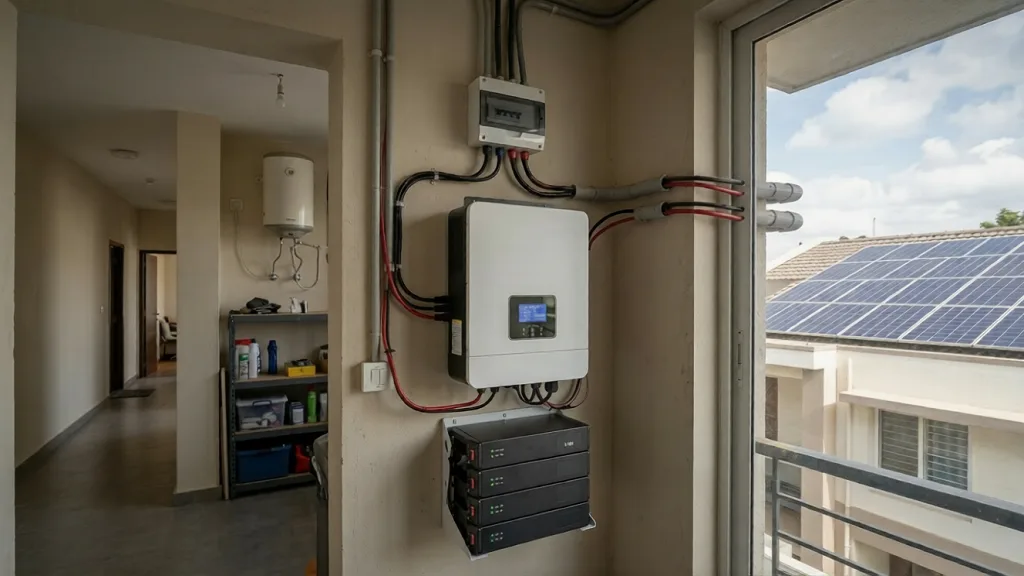
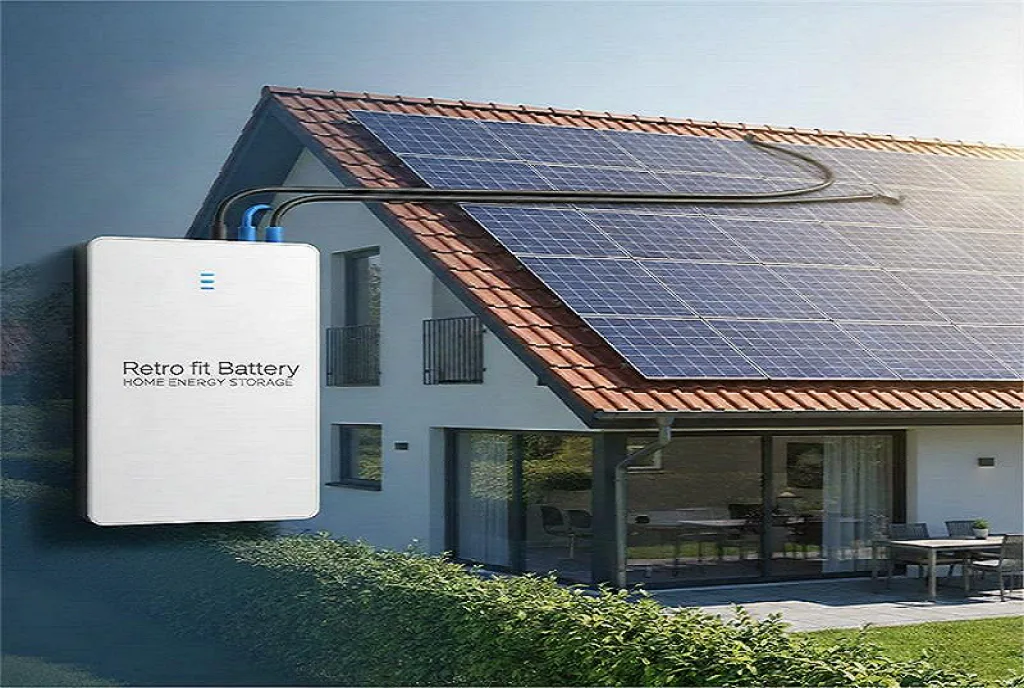
A hybrid solar inverter is a single smart device that converts solar energy for immediate home use, stores surplus energy in a battery, and draws from the grid when needed.
If you’ve been researching solar for your home or business, you’ve likely come across this term more than once. And for good reason, it’s quickly become the go-to choice for Australians who want a smarter, more independent energy setup.
This guide breaks it all down from how it works to whether it’s right for you.
What Is a Hybrid Solar Inverter?
Every solar panel system needs an inverter. Solar panels generate direct current (DC) electricity, but your home runs on alternating current (AC). The inverter is what bridges that gap.
A standard string inverter handles that DC-to-AC conversion. A battery inverter does the same but also manages energy storage. A hybrid solar inverter does both and more.
Think of it as the brain of your hybrid solar system. It manages energy generation from your panels, routes power to your home, charges your battery with leftover energy, and interacts with the grid all from a single unit.
The key advantage? Instead of juggling two separate systems, everything is coordinated in one place. That means cleaner monitoring, fewer components, and smarter energy decisions happening automatically.
How Does a Hybrid Solar Inverter Work?
Here’s what’s happening inside your system on a typical sunny day in Australia:
Step 1: Solar Panels Generate Power
Solar panels absorb sunlight and convert it into DC electricity. The stronger the sunlight, the more electricity the panels can produce.
Step 2: The Inverter Converts It
The hybrid inverter converts DC electricity into AC power that your home can use for appliances, lighting, hot water systems, and other everyday electrical needs.
Step 3: Surplus Goes to the Battery
Any solar energy your home doesn’t immediately use is directed to your battery for solar panel storage. This is where hybrid systems truly shine. That stored energy doesn’t go to waste.
Step 4: Battery Powers Your Home After Dark
Once the sun goes down, your hybrid inverter switches to drawing from the battery. You’re still running on solar, just stored solar. No grid needed, at least not right away.
Step 5: Grid Acts as a Backup
If your battery runs low (during extended cloudy days or high-usage periods), the hybrid inverter seamlessly pulls power from the grid. This switch happens in milliseconds, and you won’t notice a thing.
Step 6: Excess Can Be Exported
If your battery is full and your home is already powered, the hybrid inverter can export excess energy back to the grid, earning you feed-in tariff credits on your electricity bill.
Hybrid vs Standard vs Battery Inverter: What’s the Difference?
It helps to understand what you’re comparing before making a decision.
| Inverter Type | Description |
| Standard String Inverter | Converts solar energy into usable electricity. Simple, affordable, and does not support battery storage.Suitable if you do not plan to add a battery in the future. |
| Battery Inverter | Works alongside your panels and manages battery charging/discharging. Operates as a separate unit from the main solar inverter. |
| Hybrid Solar Inverter | Combines both solar conversion and battery management in a single device. Manages solar generation, battery storage, and grid interaction simultaneously. |
Now you know that with a hybrid setup:
- Everything works through a single system
- Your monitoring is unified
- Your energy decisions are smarter and
- Your future upgrade path is simpler
What Are the Benefits of a Hybrid Solar Power Inverter?
1. Energy Independence
Stored solar means you’re not at the mercy of peak-rate grid power. Morning and evening become the times your battery steps in.
2. One Device, Two Jobs
You don’t need a standalone battery inverter sitting alongside your string inverter. A hybrid unit replaces both and simplifies installation, reducing potential failure points.
3. Seamless Blackout Protection
Many hybrid inverters can operate in islanded mode, meaning that if the grid goes down, your home stays on using battery power. For Australian households dealing with summer storms or grid instability, this is a significant practical benefit.
4. Smarter Energy Monitoring
Because everything flows through a single device, your monitoring app provides a real-time picture including solar generation, battery charge levels, grid usage, and home consumption. All in one dashboard.
5. Future-Proofing
Installing a hybrid inverter today means you can add battery storage later without replacing your inverter. As solar battery price continues to fall across Australia, this is a smart hedge. Buy the hybrid inverter now, and add the battery when it makes financial sense.
6. Potential to Reduce Your Bills Significantly
By using more of the solar energy you generate, you rely less on electricity from the grid. Over the system’s lifetime, which is around 10 to 15 years, these savings can add up significantly.
Are There Any Downsides to Consider?
No technology is perfect. Here are a few honest considerations:
1. Higher upfront cost
A hybrid inverter costs more than a standard string inverter. However, the added flexibility, battery compatibility, and smarter energy management can make it a worthwhile investment for long-term energy savings.
2. Battery compatibility
Not every hybrid inverter works with every battery. If you plan to add storage later, make sure your hybrid inverter supports common Australian battery brands before committing.
3. Installation complexity
If you’re retrofitting a hybrid inverter into an existing solar system, there may be additional labour and wiring costs involved. This is manageable but worth factoring into your budget.
What Should You Look for in a Hybrid Inverter?
Not all hybrid inverters are equal. Here is what you should prioritise when comparing your options:
Battery compatibility: Check which battery brands it supports. Ideally, one that works with multiple options so you’re not locked in.
Backup/islanding capability: This feature allows your system to provide power during a blackout. Essential if backup power is a priority for your home.
Monitoring software: A clear, user-friendly app makes it easy to track and optimise your energy usage.
Warranty: Look for a warranty of at least 5 years, while 10 years is generally considered the standard for reputable inverter brands.
CEC approval: In Australia, inverters must be approved by the Clean Energy Council (CEC) to be eligible for government rebates. Always verify this.
Brand reputation: Choose established brands that have strong after-sales support and service availability in Australia.
For an overview of reliable options, check out our guide to the best solar inverters in Australia to see what’s worth considering.
Should You Get a Hybrid Solar System?
The honest answer is that it depends on your specific energy habits and long-term goals. To help you decide, here is a simple way to think about it.
Go hybrid if:
- You want future battery flexibility
- You’re conscious of rising energy bills
- You experience occasional blackouts
- You’re building a new home and want to future-proof from day one
Stick with a standard inverter if:
- You have a tight budget
- You’re certain you’ll never add battery storage
- You want basic solar generation without the added features
For many Australian homeowners with growing energy needs, a hybrid setup offers the best long-term value. They recover the upfront cost difference within a few years through smarter energy use, reduced reliance on the grid, and by avoiding future upgrade costs.
Ready to Make the Switch? Talk to SPS Energy.
At SPS Energy, we specialise in tailored hybrid solar solutions for homes and businesses across Australia. Whether you’re starting fresh or upgrading an existing system, our team will assess your energy needs and design a setup that makes sense for your roof, your lifestyle, and your budget.
We install quality-approved systems with full after-sales support because a solar investment should last, not just launch. Get in touch with us today to discuss what’s possible for your property.