To size a battery for your solar panel system, multiply your daily energy usage (in kWh) by the number of backup days you need, then divide by the battery’s depth of discharge — and that’s your minimum battery capacity.
Sounds simple, right? But getting it right takes a bit more thought.
The wrong battery size means either wasting money on capacity you’ll never use or running out of stored power when you need it most.
This guide walks you through the entire process and just the answers you’re actually searching for.
Why Battery Sizing Actually Matters
A battery for solar panel systems isn’t one-size-fits-all. Your neighbour’s 10kWh setup might be perfect for them and completely wrong for you.
Factors like:
- Your daily electricity consumption
- How many people live in your home
- Your solar system size
- Whether you want a full backup or just evening coverage
All of these change the equation significantly.
Get the sizing right, and…
- Your battery pays for itself faster
- Your home stays powered through outages
- Your dependence on the grid drops dramatically
How to Size a Battery for a Solar Panel
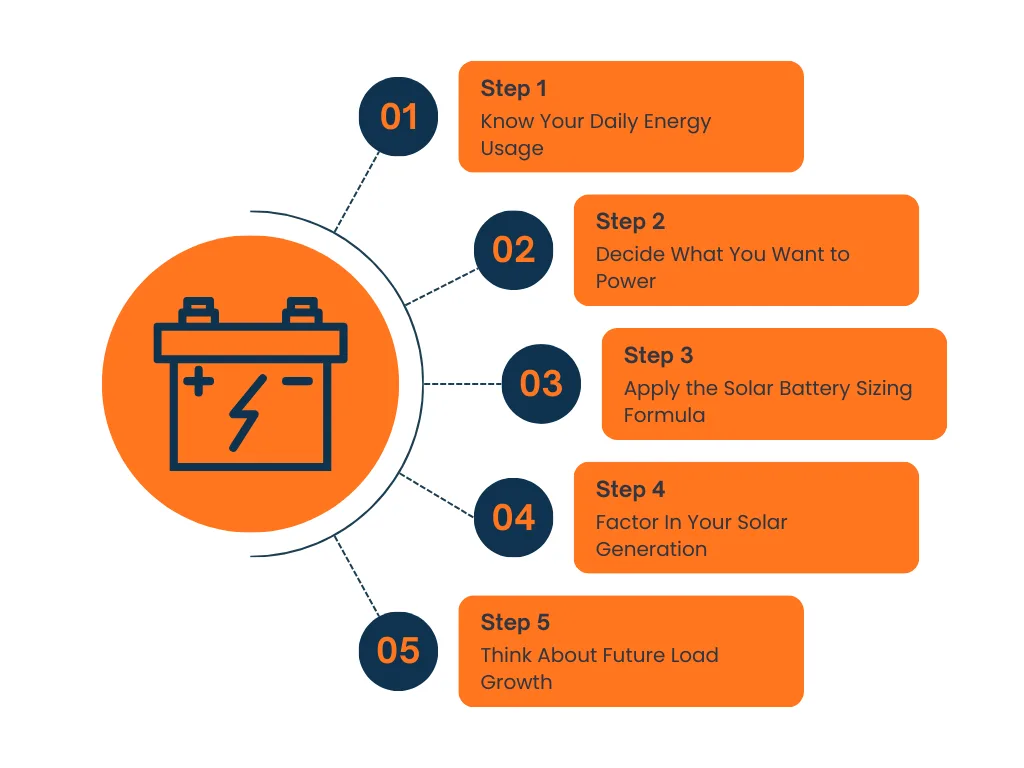
Step 1: Know Your Daily Energy Usage
Start with your electricity bill. Look for your average daily usage in kilowatt-hours (kWh). Most Australian households consume between 15 and 25 kWh per day, though this varies by household size and season.
If you don’t have your bill handy, add up the wattage of your key appliances and estimate how many hours per day each runs. For example:
- Fridge: 1.5 kWh/day
- Air conditioner (3 hours): 3–6 kWh/day
- Lighting, TV, devices: 3–5 kWh/day
A typical family home might consume around 18–20 kWh per day.
Step 2: Decide What You Want to Power
This is the question most guides skip, but it’s crucial. Do you want the battery to:
- Power your home overnight after the sun goes down?
- Act as a full backup during grid outages?
- Cover just the essentials like the fridge, lights, and Wi-Fi?
If you only want evening coverage, you might only need 5–10 kWh of storage.
If you want a full day of backup, you’re looking at 15–20+ kWh.
Being clear on this goal prevents overspending or undersizing.
Step 3: Apply the Solar Battery Sizing Formula
Here’s the core solar battery sizing formula:
Required Battery Capacity (kWh) = Daily Usage (kWh) × Backup Days ÷ Depth of Discharge (DoD)
Most modern lithium batteries (like the BYD or Tesla Powerwall range) have a DoD of around 80–90%, meaning you can safely use 80–90% of the rated capacity without degrading the battery.
Example:
- Daily usage: 20 kWh
- Backup days needed: 1
- DoD: 0.9 (90%)
20 ÷ 0.9 = ~22 kWh of battery capacity needed
If you want two days of backup: 40 ÷ 0.9 = ~44 kWh
This is essentially what a solar battery size calculator does behind the scenes — it just automates these inputs and outputs a recommendation. If you prefer using a tool, search for a solar power battery calculator online, enter your daily usage, DoD, and backup preference, and it’ll do the maths for you.
What Size Solar Battery Do I Need for a 6.6kW Solar System?
This is one of the most common questions we hear. The 6.6kW solar system is one of the most popular residential solar setups in Australia.
A 6.6kW system typically generates around 24–27 kWh on a good sunny day (assuming roughly 4 peak sun hours). However, most of that generation happens between 9 AM and 4 PM — when many households aren’t home consuming power.
For a 6.6kW system, a battery between 10kWh and 15kWh is generally the sweet spot for an average household. This covers evening and overnight usage without over-investing in capacity that won’t be used.
What Size Battery for a 10kW Solar System?
Larger solar systems generate more power and usually serve bigger homes or small businesses with higher consumption. A 10kW system can generate 35–45 kWh per day under good conditions.
For homes running a 10kW system and wanting meaningful overnight and backup coverage, a battery capacity of 15kWh to 30kWh is typically recommended. If you’re looking at a 10kW solar battery price for your setup, the battery cost alone can vary significantly depending on brand and chemistry.
Which Batteries Are Best for Solar Panels?
The short answer: lithium iron phosphate (LFP) batteries are the current gold standard for longevity and a safe option for residential solar storage.
Here’s why they outperform older lead-acid and even other lithium chemistries:
| Feature | LFP Battery Performance |
| Lifespan | 4,000 to 6,000+ charge cycles |
| Depth of Discharge (DoD) | 80–90% safe discharge rate |
| Safety | Far less risk of thermal runaway |
| Performance Consistency | Minimal capacity loss over time |
| Size Efficiency | More energy per unit of space |
Popular choices in the Australian market include BYD batteries, Tesla Powerwall, and Sungrow SBR series. The right one for you depends on your inverter compatibility, budget, and capacity needs.
For homeowners in the Sunshine Coast region looking at local options, checking out batteries for solar panels Eumundi is a great starting point. Local suppliers often have better insight into what works best for Queensland’s solar conditions.
Step 4: Factor In Your Solar Generation
Your battery should be sized to work in balance with your solar system, not independently of it. A good rule of thumb:
Battery capacity (kWh) should be roughly around 1x to 1.5x the amount of solar energy you actually use during the day (not the total energy your system generates).
If your panels generate 24 kWh and you consume 10 kWh during daylight hours, roughly 14 kWh is “leftover” to charge the battery. You’d want a battery that can absorb close to that, so a 13.5–15kWh battery makes practical sense.
Oversizing the battery beyond what your solar can reliably charge means it’ll often sit at partial charge, which isn’t efficient and slows your return on investment.
Step 5: Think About Future Load Growth
Are you planning to buy an EV in the next few years?
Adding ducted air conditioning?
Planning a home extension?
It’s worth sizing slightly above your current needs if these additions are on the horizon. Adding battery capacity later is possible, but often more expensive than getting a slightly bigger system upfront.
Quick Reference: Solar Battery Sizing by System Size
| Solar System Size | Typical Daily Generation | Recommended Battery Size |
| 6.6kW | 24–27 kWh | 10–15 kWh |
| 10kW | 35–45 kWh | 15–30 kWh |
| 13kW+ | 45–55+ kWh | 20–40 kWh |
These are general ranges. Your actual recommendation depends on your usage, location, and goals.
Ready to Add a Battery to Your Existing Solar System?
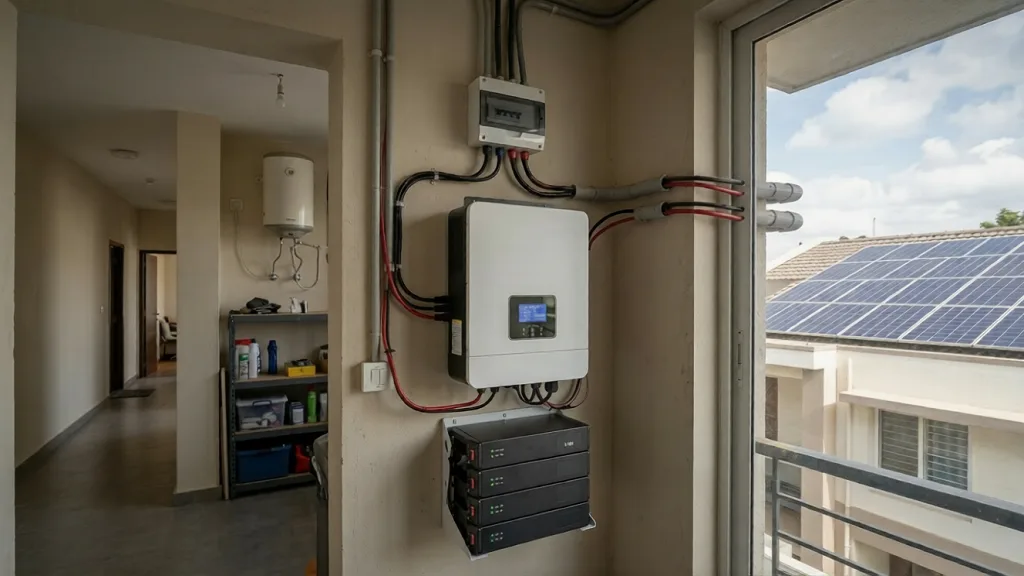
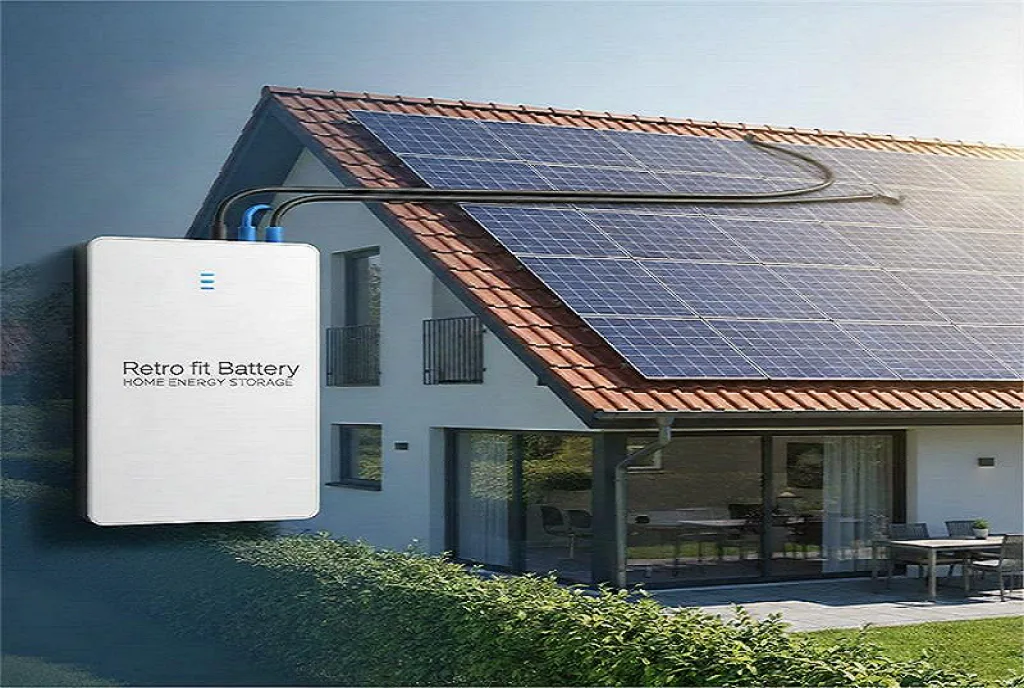
If you already have solar panels and want to add storage, you don’t need to start from scratch. A retro-fit battery solution integrates seamlessly with your existing system, helping you maximise the value and performance you get from your panels.
At SPS Energy, we’ve been helping Queensland homeowners and businesses make smarter energy decisions for over 30 years. As a trusted solar installer Eumundi residents rely on, our team will assess your current system, calculate the right battery size for your specific needs, and handle the full installation with CEC-accredited professionals.
Don’t guess on battery sizing. Get it right the first time. Reach out to the SPS Energy team today, and let’s find the right battery for your solar panel system.