Table of Contents
If you’re wondering how much does it cost to charge an electric car in Australia, the short answer is: charging an electric car typically costs between $1 and $21 for a full charge at home, and around $10–$40 at a public fast charger.
But there’s more to it than a single number. The actual cost of charging an electric vehicle depends on where you charge, when you charge, and what kind of charger you use. This guide breaks it all down so you know exactly what to expect.
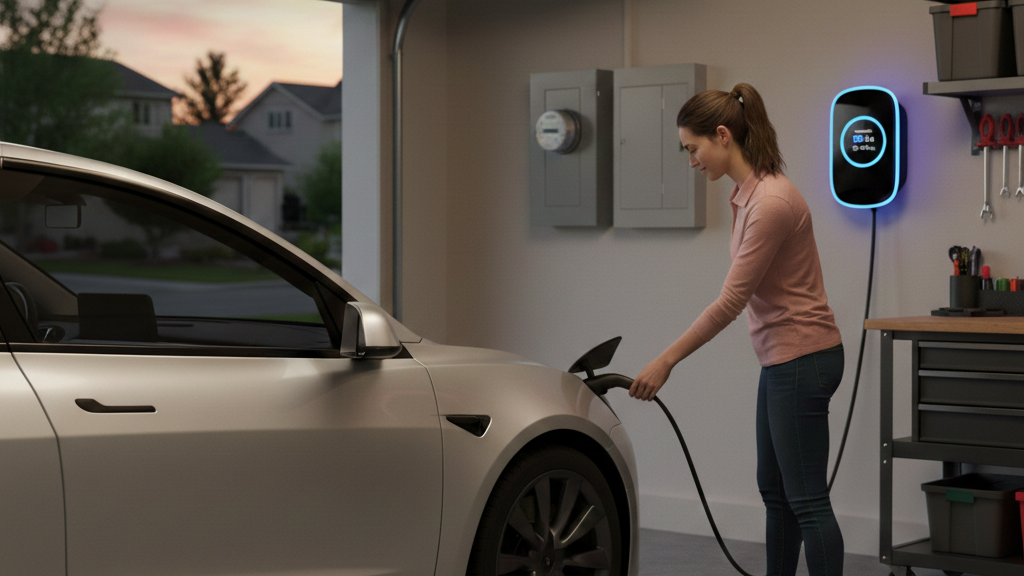
How Much to Charge an Electric Car at Home?
For most EV owners, home charging is where the magic happens. It’s convenient, consistent, and by far the lowest-cost option.
1. Standard Household Outlet (Level 1 Charging)
You can plug your EV into a standard 10-amp outlet using the cable that often comes with the car. It’s the slowest option, typically delivering about 10–15 km of range per hour, and costs very little.
At an average Australian electricity rate of around $0.25–$0.35 per kWh, charging a mid-size EV (60 kWh battery) overnight might cost you $15–$21 for a full charge. It’s not fast, but for most daily drivers who top up overnight, it works perfectly fine.
2. Dedicated home EV charger (Level 2 Charging)
A purpose-built wall charger (also called EVSE) charges much faster, delivering 7 kW to 22 kW depending on the unit. A full charge on most EVs takes 4–8 hours, making overnight charging very practical.
That brings the cost of charging an EV at home down to as little as $6–$9 for a full charge.
If you’re planning your setup, it’s also worth understanding the EV Charger Installation Cost so you can factor in both upfront installation and long-term savings.
3. Off-peak tariffs
Here’s where the real savings kick in. Many electricity providers in Australia offer off-peak rates as low as $0.08–$0.15 per kWh overnight. Scheduling your charge between 10 pm and 6 am can cut your cost of charging electric vehicle in half. A full charge on a 60 kWh EV at off-peak rates could cost as little as $5–$9.
4. Solar charging
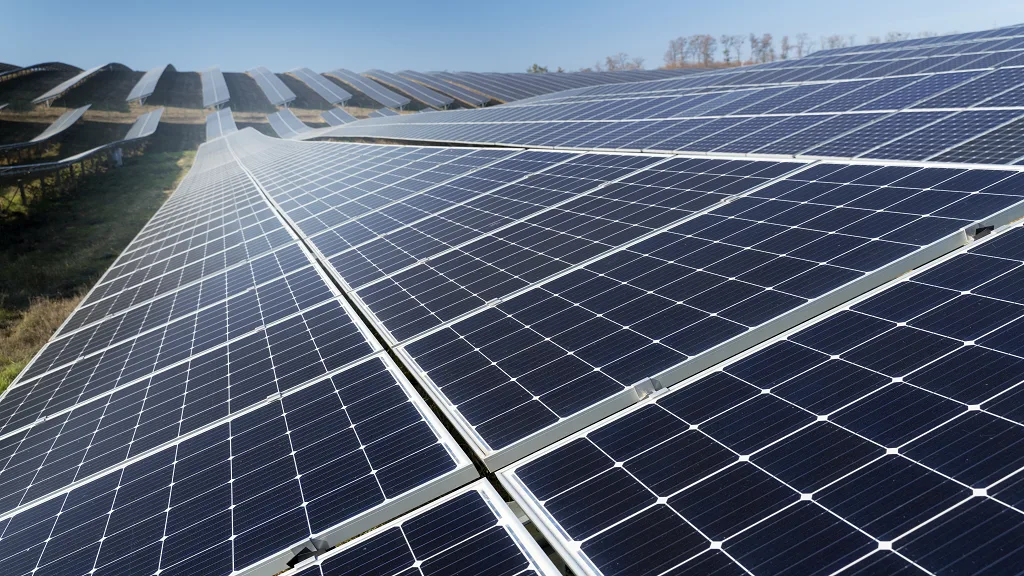
If you have rooftop solar, you can charge during the day using your own generated electricity, effectively for free or close to it. This brings the cost of recharging an electric car to nearly zero on sunny days, making solar and EV ownership one of the smartest combinations for Australian households.
Understanding exactly how much does it cost to charge an electric car at different times of the day can save you hundreds of dollars annually.
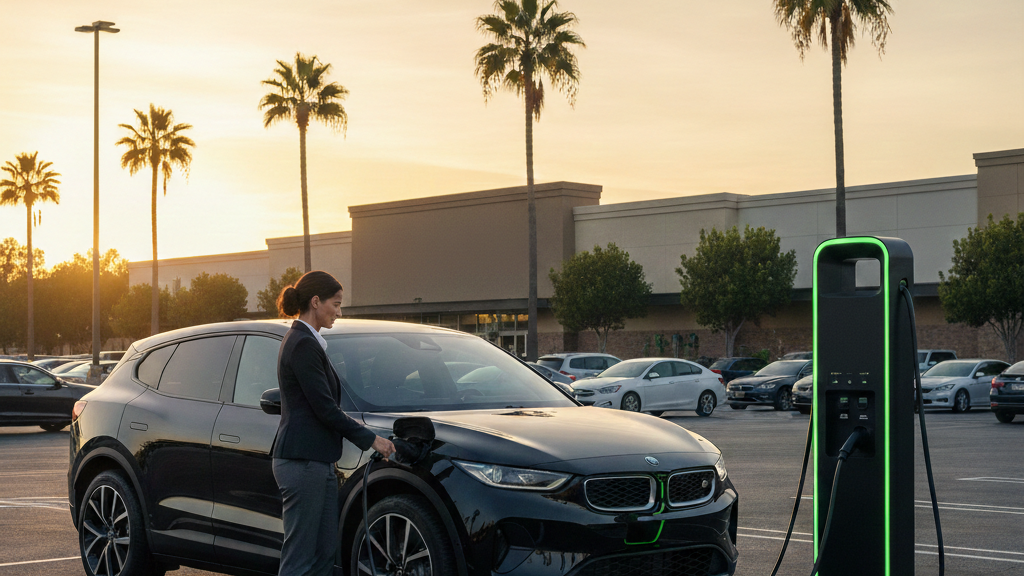
How Much to Charge an Electric Car at Public Stations?
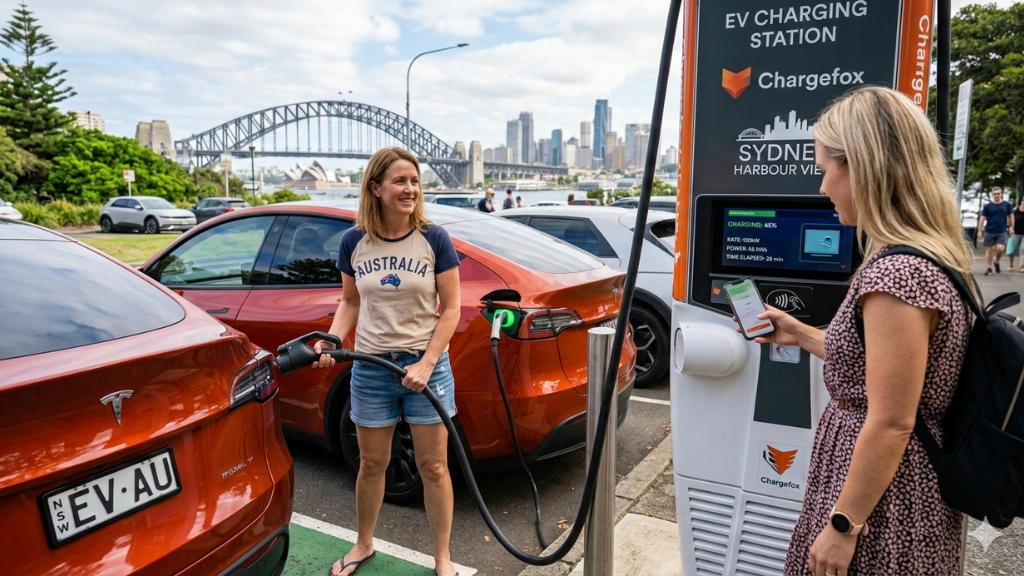
Public chargers are a lifesaver on road trips or when you need a quick top-up during the day. But the cost of charging an EV at a public station is generally higher than charging at home since you’re paying for the convenience and the infrastructure.
AC public chargers (Slow to Medium Speed)
Often found in shopping centres, car parks, and council areas. Pricing varies: some are free, others charge a flat hourly fee (around $1–$2/hour) of around $0.20–$0.45 per kWh.
DC fast chargers (Rapid Charging)
These are the high-speed chargers you’ll find at service stations and highway rest stops. They can add 100–200 km of range in 20–30 minutes. EV charging charges for DC fast chargers typically range from $0.40 to $0.65 per kWh, depending on the provider and charger speed.
For a 60 kWh battery on a DC fast charger at $0.50 per kWh, a full charge would cost around $30.
How Much Does It Cost to Charge an Electric Car? — A Simple Breakdown
| Scenario | Battery Size | Cost per kWh | Estimated Full Charge Cost | Best For |
| Home – standard outlet (Level 1) | 60 kWh | $0.30/kWh | ~$18 | Light daily use, slow overnight charging |
| Home – dedicated EV charger (Level 2) | 60 kWh | $0.10/kWh(off-peak) | ~$6 | Fast overnight charging, regular daily drivers |
| Home – solar | 60 kWh | $0.00/kWh | ~$0 | Any EV owners with rooftop solar |
| Public AC charger | 60 kWh | $0.35/kWh | ~$21 | Opportunistic top-ups |
| Public DC fast charger | 60 kWh | $0.55/kWh | ~$33 | Road trips, urgent charging |
These figures are indicative. Battery capacity varies by model, and you’ll rarely charge from empty to full each time.
What Affects the Cost of Charging an EV?
Several factors influence how much you’ll actually spend:
1. Battery size
Larger battery = more kWh needed for a full charge = higher cost. A Tesla Model S has a 100 kWh battery, while a BYD Dolphin has around 44 kWh.
2. Charging efficiency
Not all the electricity that flows to your charger ends up in the battery. AC charging is around 85–90% efficient; DC fast charging can be slightly lower due to heat.
3. Electricity tariff
Your energy plan matters enormously. Time-of-use tariffs, controlled load rates, and EV-specific plans can significantly lower your cost of charging an EV at home.
4. Charger type and speed
Faster chargers at public networks typically cost more per kWh.
5. Vehicle consumption
EVs use between 13 and 25 kWh per 100 km, depending on the model, driving style, and conditions like air conditioning or cold weather.
The Bottom Line on EV Charging Costs
Whether you’re charging at home overnight, topping up at a shopping centre, or doing a fast charge on a road trip, the cost of charging electric vehicle is consistently lower than the equivalent petrol cost. With smart charging habits, particularly using off-peak rates or solar, the savings become even more significant.
The real question isn’t whether you can afford to run an EV. It’s whether you have the right charging setup to get the most out of it.
Set Up Your Home EV Charger the Right Way
At SPS Energy, we help Australian homes and businesses make the switch to electric vehicles with professional, reliable EV charger installation. Whether you’re after a home wall charger, a commercial charging solution, or expert advice on the best setup for your property, our team is here to help.
Contact us today for the right EV charging solution for your property.
Make charging effortless. Make it smart. Make it SPS Energy.