Table of Contents
When sunlight hits the solar panels, the light energy is converted to solar energy. This energy flows through an inverter that converts it into usable electricity to power home appliances. Any excess energy produced can be stored in batteries or exported to the power grid.
Most modern solar panels convert 15–22% of sunlight into usable electricity, according to industry data from the International Energy Agency (IEA).
Step-by-Step Guide: How Do Solar Panels Work
Solar energy systems may seem complex, but the process of generating electricity happens in a few straightforward steps.
Step 1: Solar Panels Capture Sunlight
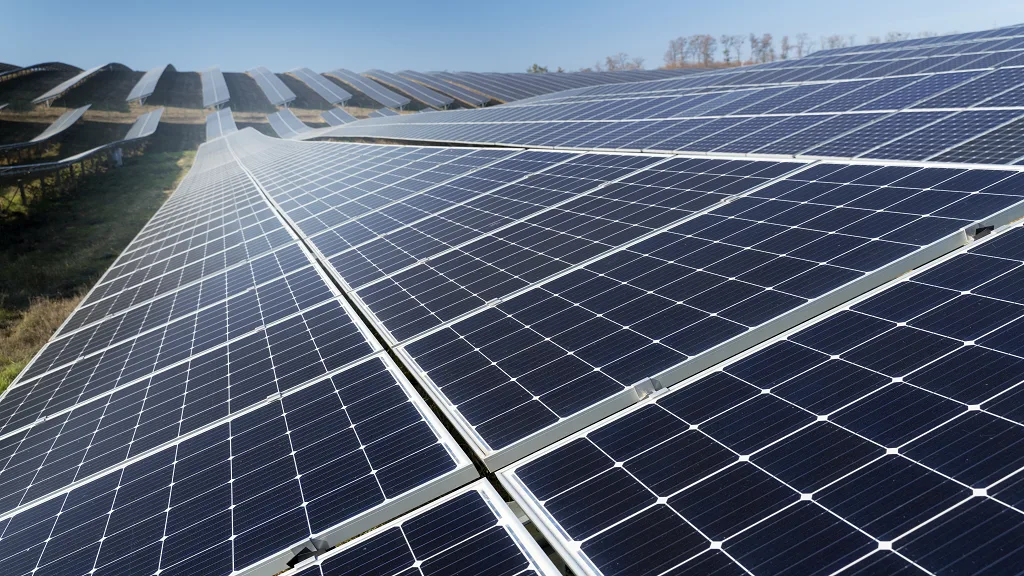
Solar panels are made of PV cells. When sunlight hits these cells, photons excite electrons, causing them to move and generate an electric current. This electric current is called direct current (DC).
Step 2: Solar Inverter Converts Electricity
The DC electricity produced by solar panels is sent to a solar inverter, which converts it into alternating current (AC) electricity. This is used to run home appliances and businesses.
Step 3: Electricity to Your Home
Once converted to AC, the electricity flows through your home’s electrical panel and powers everyday appliances like lights, refrigerators, air conditioners, washing machines, and electronic devices.
Step 4: Excess Energy is Stored in Solar Batteries
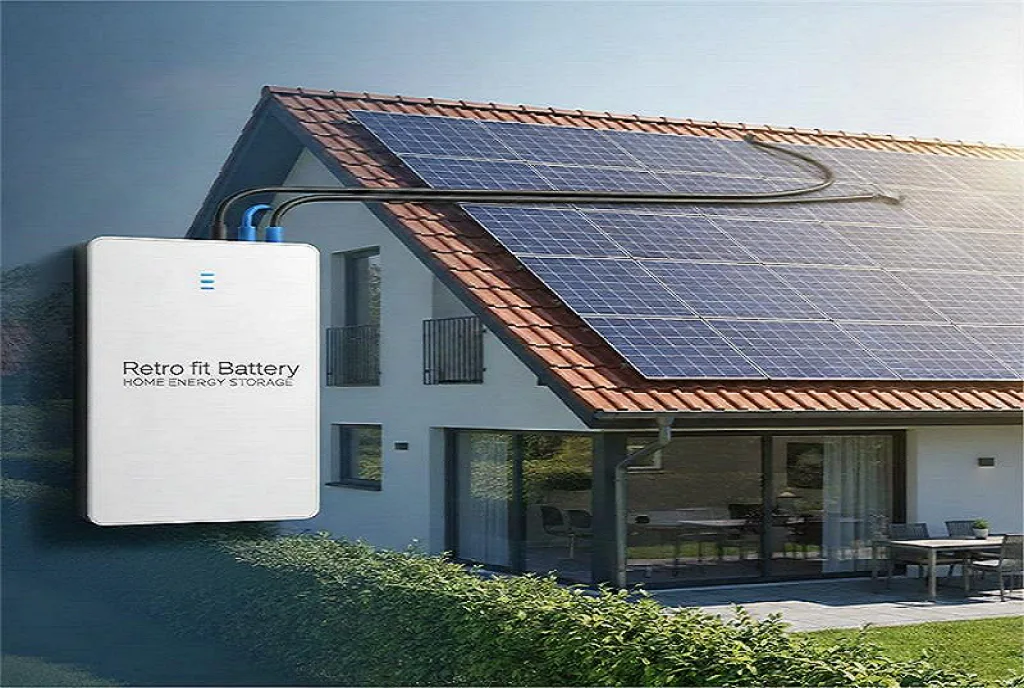
When solar panels produce more electricity than your home needs, the surplus energy is either stored in batteries for solar panel systems for later use or exported back to the grid. Storing this energy allows homeowners to maximise self-consumption, reducing reliance on grid electricity and lowering overall energy costs. The stored power can then be used during the night, on cloudy days, or even during unexpected power outages, ensuring a more consistent and reliable energy supply.
Step 5: Grid Connection and Utility Meter
Excess energy from solar panels can be sent back to the grid through the utility meter. Utility meters can record the amount of electricity you send to the grid, which will help homeowners receive credits or payments through programs like net metering or feed-in tariffs, helping reduce overall electricity costs.
Step 6: Maintenance to Keep Your System Efficient
Solar panels require very little maintenance. Clean the panels every 6–12 months if dust or debris accumulates, ensure nearby trees do not cause shading, and the monitoring system will help to measure the performance of solar panels to ensure smooth running.
Explore our complete guide on solar panel installation to learn how the system is set up on your roof.
How Sunlight is Converted to Electricity
Solar panels convert light energy from the Sun into electricity through photovoltaic (PV) cells. These cells are made from semiconductor materials, usually silicon, which are designed to capture sunlight and generate an electric current. When sunlight hits the photovoltaic cells, the energy from the light activates electrons in the silicon layers. This movement of electrons creates electricity, which is direct current (DC). The electricity generated by the solar panels then flows to a solar inverter, which converts the DC power into alternating current (AC).
Role of Solar Inverter
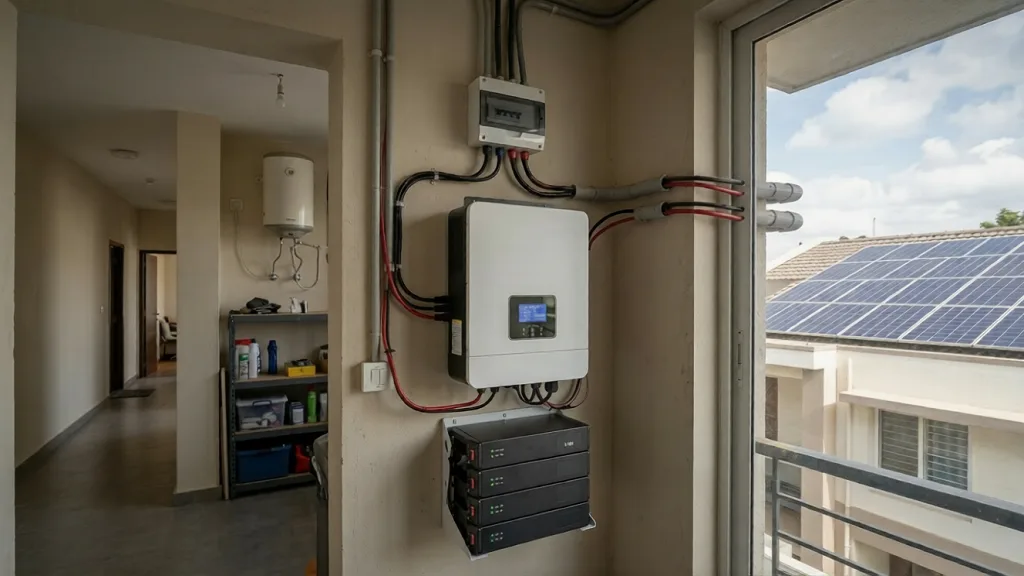
A solar inverter plays an essential role in the working of a solar panel system. Its primary function is to convert direct current (DC) electricity produced by solar panels into alternating current (AC) electricity, which is used by household appliances. The inverter also connects the solar system to the electricity grid, allowing excess electricity generated by the panels to be sent back to the grid. In addition, it monitors system performance by linking with monitoring software or apps that track energy production. Solar inverters also maintain system safety and stability by regulating voltage levels and automatically shutting down the system during power outages to prevent electricity from feeding back into the grid.
Learn more about choosing the Best solar inverter in our detailed guide.
Use of a utility meter
A utility meter records the amount of electricity used and supplied at your property when a solar panel system is operating. It measures the electricity you draw from the grid when your solar panels are not producing enough power, and also tracks excess solar energy sent back to the grid. The meter data is collected by the electricity distributor and used to calculate your energy usage and billing. Different types of meters display this information in different ways, and in some apartments or high-density housing, the meter may not be directly accessible to residents.
Environmental Benefits
Solar panels provide significant environmental benefits by generating clean electricity from sunlight without burning fossil fuels. This helps reduce carbon emissions and lowers the overall carbon footprint, which plays a major role in slowing climate change. Unlike traditional power sources, solar panels operate quietly and do not release harmful pollutants into the air. Producing renewable energy, it will reduce the use of fossil fuels such as coal, gas, and oil. Solar panels are typically made from stable materials like silicon and do not emit harmful substances during the process.
They are considered a safe and sustainable energy solution that supports a cleaner and greener future.
Conclusion
Understanding how solar panels work highlights why they are a smart investment for both your energy needs and the environment. Choosing the best solar installer is just as important as selecting the right system. With SPS Energy, you benefit from professional, punctual installation teams dedi cated to delivering the best system for your home. Ensure your solar system is built to last and perform reliably for years to come. With the right installation partner, solar energy becomes a dependable and future-ready solution for your home.
Frequently Asked Questions
1. How do solar panels work during cloudy days?
Solar panels still generate electricity on cloudy days, but their output decreases because less sunlight reaches the panels. Most systems produce around 10–25% of their normal output during heavy cloud cover.
2. Do solar panels work at night?
Solar panels need sunlight to generate electricity. However, homes can use stored energy from solar batteries or draw electricity from the grid during nighttime hours.
3. How long do solar panels last?
Manufacturers typically provide a 25-year performance warranty, guaranteeing that panels will still produce around 80–85% of their original output.
4. How many solar panels will it take to run a house?
An average house in Australia usually needs 15 to 24 solar panels to meet most electricity needs when using a 5kW to 6.6kW solar system. Smaller homes may need around 8 panels, while homes with higher electricity use may require more than 24 panels.
5. What are some disadvantages of solar panels?
High upfront installation cost and the additional expense of battery storage if you want to store excess energy. Solar panels may not be suitable for every roof type, which can limit installation options. Manufacturing can have environmental impacts due to the materials and energy required for production.