Investing in solar power is one of the smartest decisions for homeowners and businesses in Australia today. While solar energy brings huge environmental and financial benefits, it also requires proper safety and performance checks. That’s where a solar panel risk assessment becomes essential.
A well-executed risk assessment helps you identify potential issues early, prevent costly damages, and keep your solar system operating efficiently for years. Whether you already have a solar setup or are planning a new solar panel installation, here’s a simple, step-by-step guide to performing an effective solar panel risk assessment.
What Is a Solar Panel Risk Assessment?
A solar panel risk assessment is a structured process that identifies, evaluates, and manages potential risks related to solar energy systems. These risks can include electrical faults, panel degradation, weather-related damage, improper installation, or safety hazards for maintenance workers.
By regularly conducting a risk assessment, you can:
- Ensure your system complies with Australian safety standards.
- Maximise energy output and performance.
- Identify small issues before they escalate into major problems.
- Extend the lifespan of your solar panels.
It’s a key part of solar panel risk management—the ongoing process of maintaining system safety and reliability.

Step 1: Inspect the Installation Site
The first step in a solar panel risk assessment begins even before installation. Assess the site where the panels will be placed. Look for potential risks like:
- Roof strength and structure – Can it support the weight of solar panels?
- Shading – Are there trees or nearby buildings that could block sunlight?
- Access and Safety – Is the area easily accessible for maintenance or inspection?
These factors play a crucial role in determining both the performance and safety of your solar system. When planning a new installation, make sure to discuss them with your installer to help minimise potential risks and keep your overall solar modules cost as low as possible.

Step 2: Evaluate Electrical Components
Once the panels are installed, electrical safety becomes the top priority. Inspect the following:
- Wiring and connectors: Check for wear, corrosion, or loose connections.
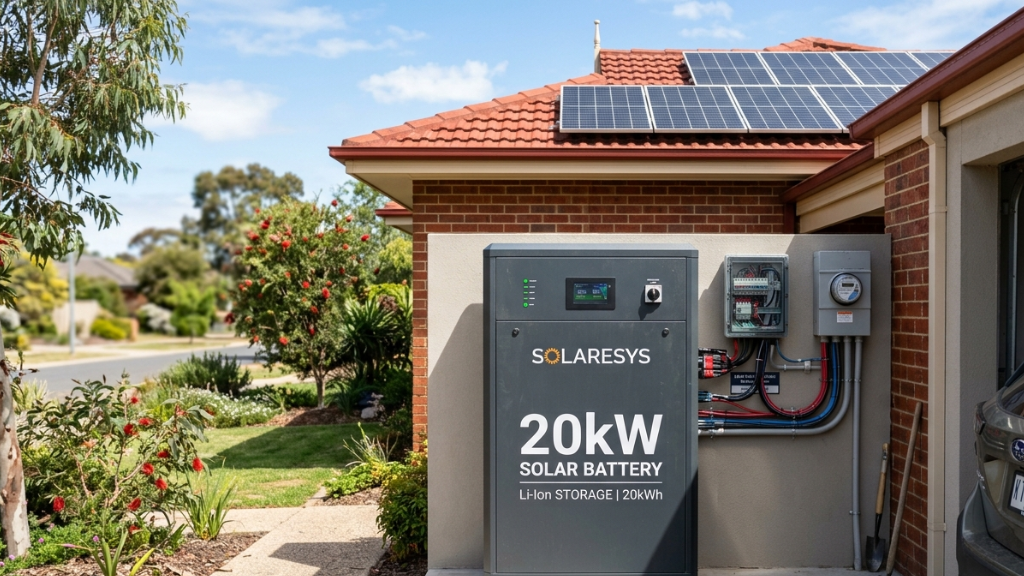
- Inverters and batteries: Ensure they’re operating efficiently and safely.
- Circuit breakers: Verify they’re functioning correctly to prevent electrical overloads.
Faulty electrical components can pose fire hazards and affect your system’s performance. Make sure all parts comply with Australian standards and are regularly tested.

Step 3: Check for Structural and Physical Damage
Over time, exposure to harsh Australian weather can cause physical wear on solar panels. During your solar panel risk assessment, carefully inspect for:
- Cracks or chips in the glass surface.
- Loose mounting brackets or damaged frames.
- Water ingress or rust on mounting structures.
Physical damage not only reduces efficiency but can also increase safety risks if left unattended. Address any issues immediately through professional solar panel maintenance.

Step 4: Review Environmental Risks
Your solar system is constantly exposed to environmental factors such as heat, rain, wind, and dust. Assess your environment for risks like:
- High wind zones that could loosen panel mounts.
- Salt corrosion in coastal areas.
- Bird droppings or debris accumulation.
By understanding these environmental influences, you can plan preventive maintenance—such as installing protective mesh or using corrosion-resistant materials—to keep your panels in optimal condition.

Step 5: Assess Fire and Electrical Safety
Electrical safety is critical for every solar panel risk assessment. Check for signs of overheating, faulty wiring, or damaged insulation. Also, ensure that:
- DC isolators are properly sealed.
- All cabling meets safety standards.
- Fire extinguishers and emergency shutdown systems are accessible.
Engaging a certified professional to inspect your solar setup annually is highly recommended to ensure compliance with Australian safety codes.

Step 6: Evaluate Performance and Efficiency
Your solar system’s output is the best indicator of its health. Compare your actual energy production with expected output levels. If you notice a decline in performance, it could indicate:
- Dust accumulation on panels.
- Inverter malfunction.
- Shading from new obstructions.
Using monitoring software can help track system performance in real time and detect irregularities early. This proactive step improves system longevity and maximises returns on investment.

Step 7: Establish a Maintenance Plan
Regular maintenance is a crucial part of risk management. Schedule professional solar panel maintenance at least once a year to:
- Clean panels and remove debris.
- Check mounting systems and wiring.
- Inspect inverters and electrical components.
A proper maintenance schedule helps prevent breakdowns and ensures consistent energy efficiency. It’s also a valuable addition to your solar panel risk management plan, reducing both repair costs and downtime.

Step 8: Document and Review Findings
Always document your risk assessment results. Create a simple checklist covering all components and note any issues or actions taken. This record:
- Helps track recurring problems.
- Simplifies warranty or insurance claims.
- Demonstrates compliance with safety regulations.
Review your risk assessment at least annually—or after major weather events—to keep your solar system safe and productive.
Why Professional Assessment Matters
While some checks can be done visually, a full solar panel risk assessment should be performed by certified technicians. Professionals have the right tools and expertise to test electrical components, measure output efficiency, and identify hidden hazards.
Working with a trusted solar partner like SPS Energy ensures every part of your system—from installation to long-term performance—is handled with precision, safety, and care.
Final Thoughts
Performing a solar panel risk assessment is more than just a compliance task—it’s a commitment to safety, efficiency, and sustainability. By identifying and managing risks early, you protect your investment and ensure your solar system delivers clean energy for decades.
If you’re unsure about your system’s condition or need expert advice on solar panel installation, solar panel maintenance, or long-term solar panel risk management, our specialists at SPS Energy are here to help.
Contact SPS Energy today to book a professional risk assessment and enjoy worry-free solar energy performance.